Steelcase Karman vs Steelcase Gesture: Which Should You Buy?
Ultralight mesh vs multi-posture classic—two very different Steelcase chairs
Specs, reviews & details
Specs, reviews & details
Intro
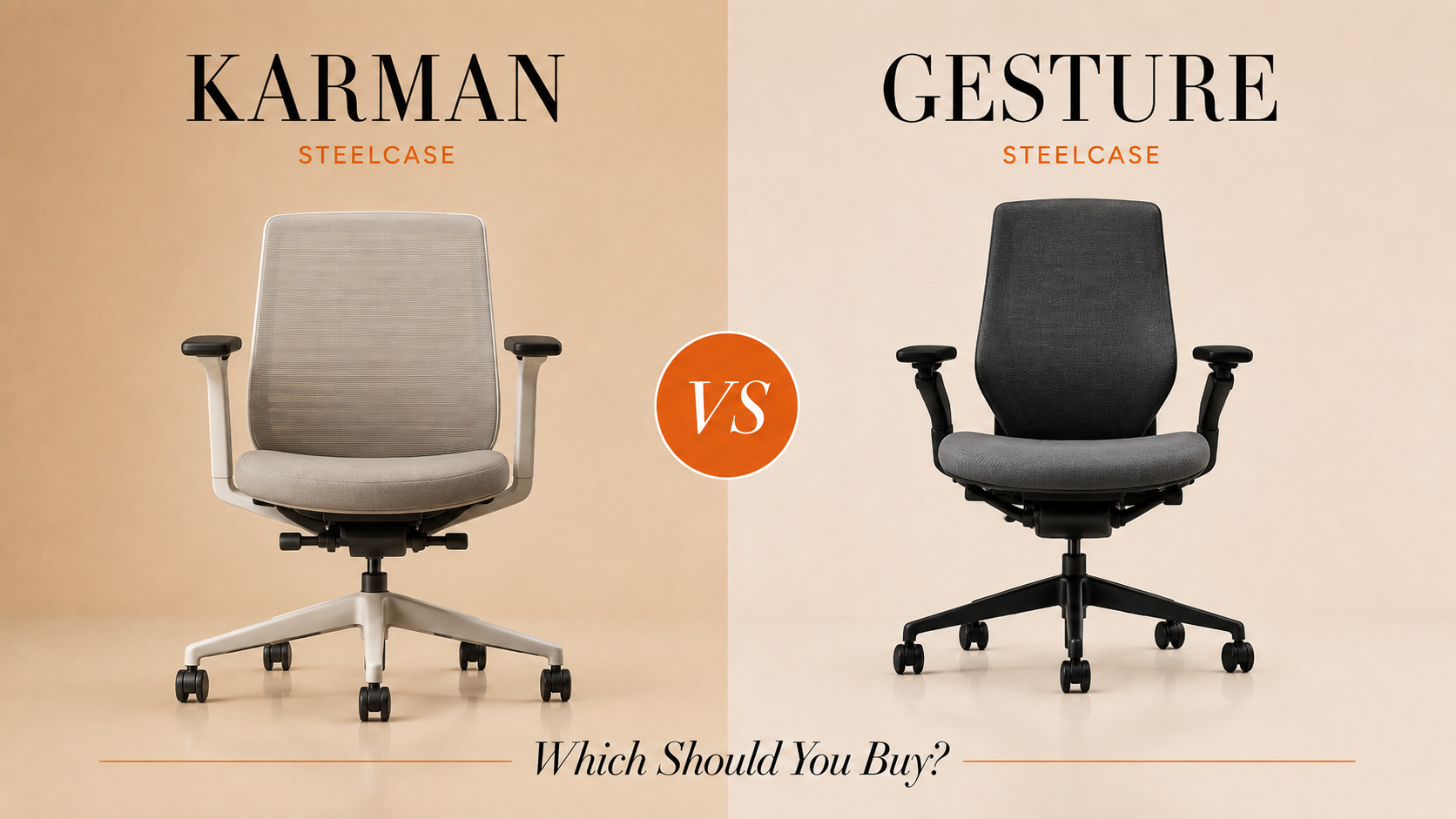
Steelcase's Karman and Gesture represent two distinct philosophies in premium office seating. The Karman is an ultralight, full-mesh design weighing just 5 kg, targeting high-mobility knowledge workers who want modern cooling and a sleek profile. The Gesture is a 19 kg multi-posture workhorse built around 360-degree arm movement and spine-mimicking support for device-heavy workflows. Both share the same 12-year warranty and dimensional specs, but the $429 price gap and radically different construction make this a choice between minimalist mesh performance and traditional upholstered versatility.
At a glance
Spec | Steelcase Karman | Steelcase Gesture |
|---|---|---|
Price | $1,070 | $1,499 |
Category | Office (mesh performance) | Office (multi-posture) |
Weight | 5 kg | 19 kg |
Armrests | 4D | 4D (360-degree design) |
Recline range | 125° | 125° |
Lumbar support | Yes | Yes |
Weight capacity | 159 kg | 159 kg |
Warranty | 12 years | 12 years |
Aggregate rating | 3.6 / 5 (12 reviews) | 3.8 / 5 (12 reviews) |
Steelcase Karman — strengths & weaknesses
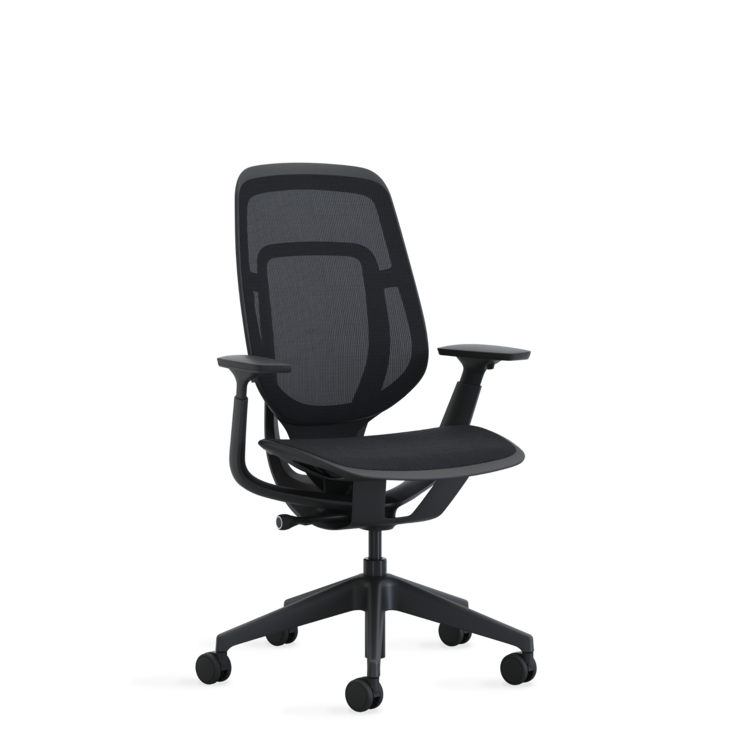
Strengths: The Karman earns praise as Steelcase's first dedicated full-mesh chair, with reviewers calling it the best all-mesh chair on the market, surpassing the Herman Miller Aeron, Mirra 2, and Cosm. Its interwoven suspension delivers seating comfort without the hammocking effect common in mesh designs. The mesh construction is expected to provide excellent cooling in summer. Aesthetically, users consistently describe it as sleek and stylish. It performs well in upright locked mode, and the 4D armrests include angle and front-back adjustment.
Weaknesses: The recline function draws consistent criticism—it goes too far back, and the 20% bodyweight resistance setting is inadequate for controlling seated angle during the workday. One reviewer preferred the Aeron's adjustable tilt limiter for this reason. Build quality issues emerged in a 6-month review: burrs in hidden areas are difficult to clean, and surfaces show white marks easily on the armpad and seat frame. There's uncertainty about whether the armrests include full inward-outward movement typical of Steelcase 4D designs.
Steelcase Gesture — strengths & weaknesses
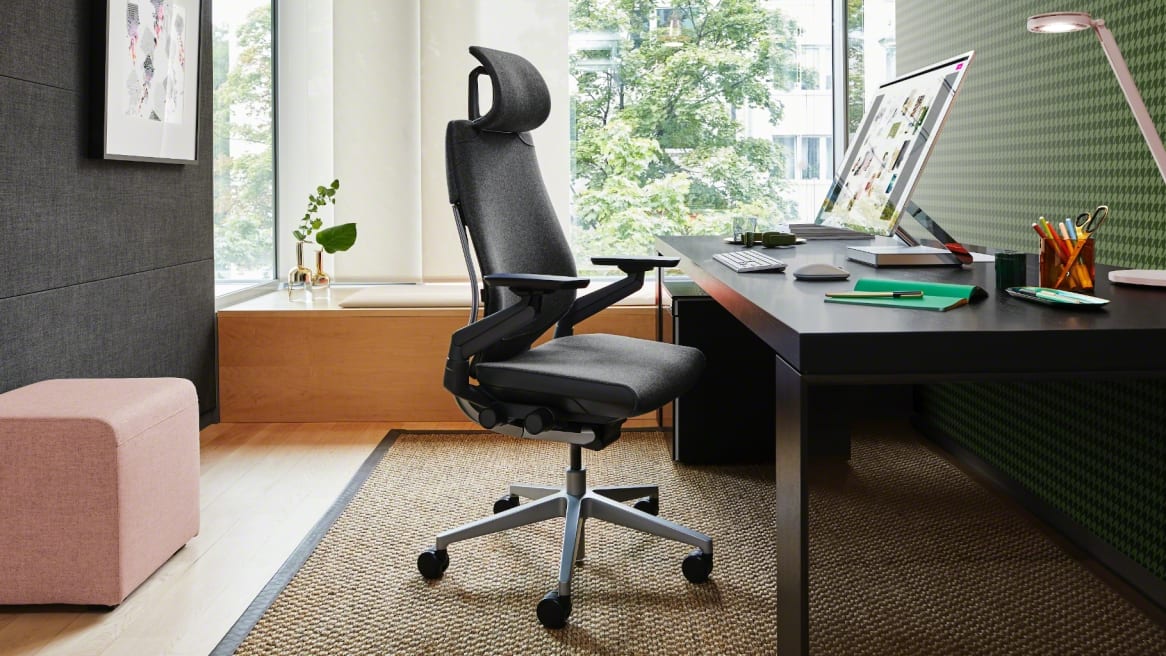
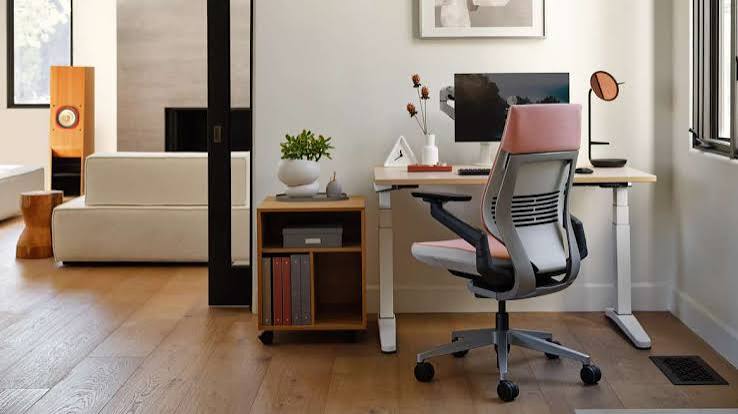
Strengths: The Gesture offers comprehensive ergonomic adjustment across all major parameters, confirmed by an independent certified ergonomics expert who covered height, seat depth, lumbar support, armrests, and tilt functions in detail. The 360-degree arms are designed to follow users from keyboard to tablet work. Users appreciate the narrow backrest, which allows shoulder and back freedom without a claustrophobic feeling—one reviewer with spinal stenosis and trapezius tension chose the Gesture after trying six chairs in two months. Early ownership experiences are positive, with users noting quiet wheels, pressure distribution, and support for various sitting positions during extended use.
Weaknesses: Long-term durability is a serious concern. One user reported that all four Gesture chairs purchased experienced breakdown issues after three years, leading to extreme buyer's regret. Another noted the chair looks cheap and budget-like despite its high price point. Some reviews note the chair forces an upright posture with an "auto-correction feel" that isn't immediately comfortable, requiring time to find optimal lumbar settings. One review was promotional content, limiting independent assessment.
How they differ
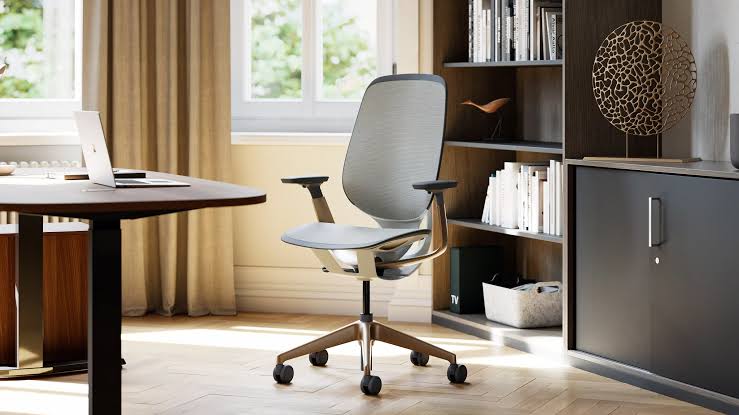
The 14 kg weight difference tells the story. The Karman is built for mobility and modern aesthetics—easy to move, visually striking, and designed around breathable mesh. The Gesture is a stationary anchor built to accommodate constantly shifting postures and device use throughout the day.
Recline control is a key functional divide. The Karman's recline goes too far back with insufficient resistance adjustment, frustrating users who want incremental tilt control. The Gesture's tilt mechanism received detailed professional review and supports multi-posture work, though it pushes users into upright positions.
Build quality and durability present trade-offs in opposite directions. The Karman shows cosmetic and finishing issues (burrs, surface marks) within six months but is praised for core mesh performance. The Gesture starts strong but multiple users report structural failures after three years—a troubling pattern for a $1,499 chair, even with a 12-year warranty.
The armrests share 4D designation, but the Gesture's 360-degree design is explicitly built around device switching, while the Karman's full adjustment range (particularly inward-outward movement) remains uncertain in the review data.
Who should buy which
Buy the Karman if: You want the lightest possible premium chair, run hot and need maximum airflow, work primarily in an upright locked position, value modern aesthetics, and can live without granular recline control. It's ideal for high-mobility workers who move between spaces or want a visually minimal setup. Best for those who loved the idea of the Aeron but want Steelcase's first serious mesh competitor.
Buy the Gesture if: You shift constantly between keyboard work, tablet use, and phone calls; need a narrow backrest for shoulder freedom; prefer traditional upholstered comfort; and want comprehensively documented ergonomic adjustability. It suits users who stay seated in one location all day and can tolerate the break-in period for optimal posture support. However, weigh the durability concerns carefully—consider extended warranty or retailer return policies given the reported three-year failure pattern.
The verdict
The Karman wins on weight, price, cooling, and aesthetics but stumbles on recline function and finishing quality. The Gesture wins on ergonomic comprehensiveness and multi-posture support but carries durability red flags and a $429 premium. Neither chair is flawless at these price points.
For most buyers, the decision hinges on one question: do you prioritize breakthrough mesh design and mobility (Karman) or proven multi-posture ergonomics despite durability concerns (Gesture)? The Karman is the better chair of the future—if Steelcase fixes the recline. The Gesture is the safer ergonomic investment—if your unit beats the three-year durability lottery. Both deserve showroom testing before purchase, and both carry enough review concerns that the 12-year warranty matters more than usual.
Frequently asked
- Is the Steelcase Karman lighter than the Gesture?
- Yes, dramatically. The Karman weighs just 5 kg compared to the Gesture's 19 kg, making it one of the lightest performance office chairs available.
- Which chair has better long-term durability?
- Reviews report durability concerns with the Gesture after 3 years, with multiple units breaking down. The Karman shows build quality issues like burrs and surface marks after 6 months. Both have 12-year warranties.
- Do both chairs have the same adjustability?
- Both feature 4D armrests, lumbar support, and 125-degree recline. However, reviewers found the Karman's recline function goes too far back with inadequate resistance, while the Gesture offers more comprehensive ergonomic adjustment.
Specs, reviews & details
Specs, reviews & details