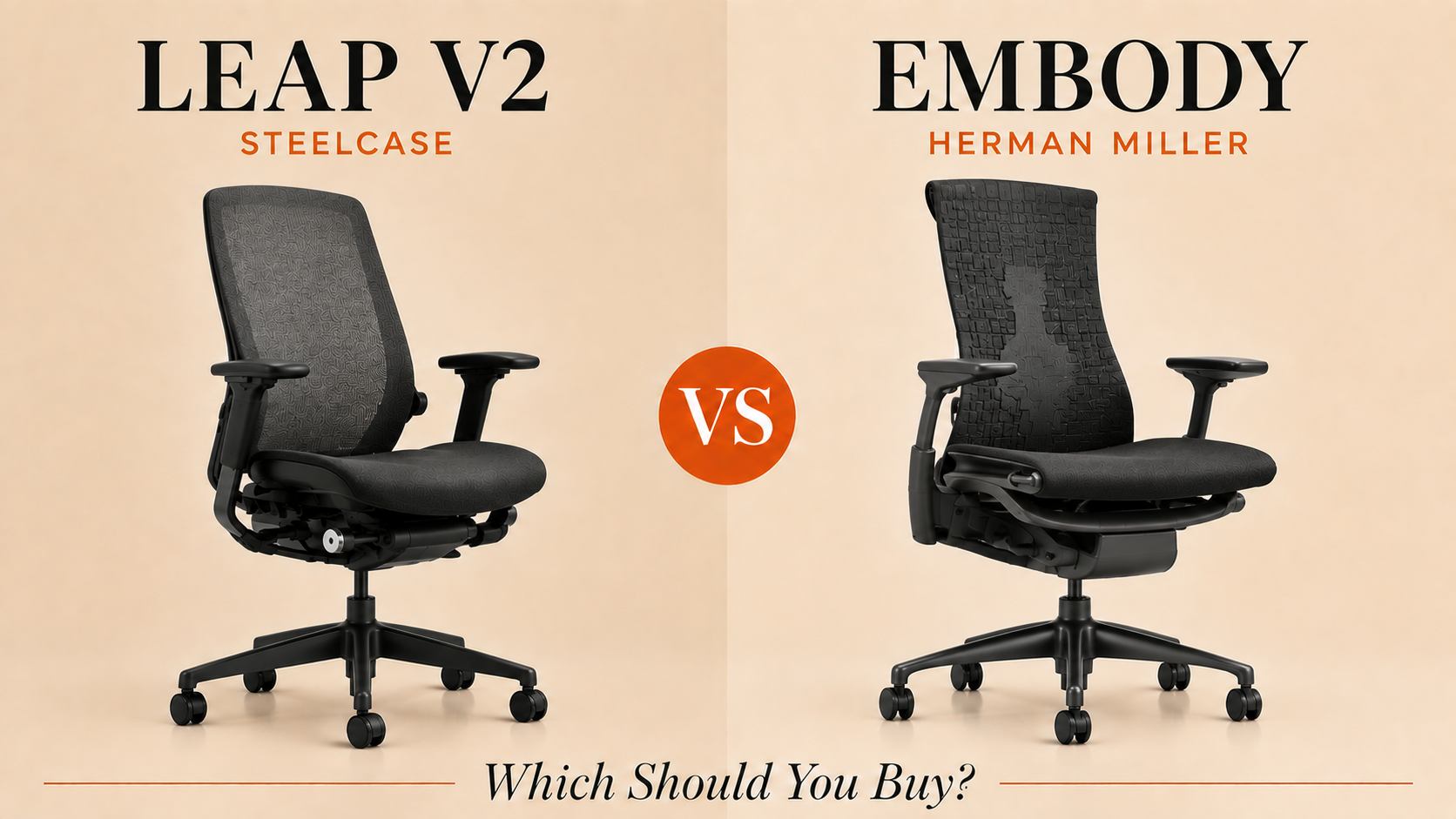
Steelcase Leap V2 vs Herman Miller Embody: Which Should You Buy?
Two $1,000+ task chairs with very different philosophies—and user reviews
Specs, reviews & details
Specs, reviews & details
Intro
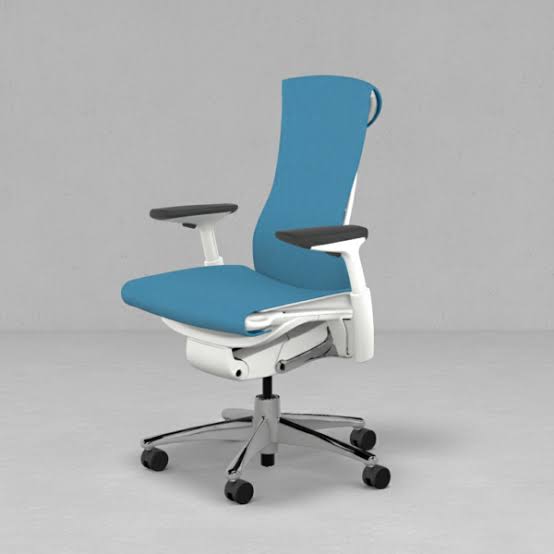
The Steelcase Leap V2 ($1,399) and Herman Miller Embody ($1,700) represent two of the most prominent premium task chairs on the market, each backed by extensive ergonomic research. The Leap V2 touts LiveBack technology that mimics spine movement, while the Embody's pixelated Backfit matrix promises health-positive support through micro-movement. But their user ratings tell strikingly different stories: the Leap V2 scores just 2.2 out of 12 reviews, while the Embody earns a 3.8. This head-to-head reveals why.
At a glance
Spec | Steelcase Leap V2 | Herman Miller Embody |
|---|---|---|
Price | $1,399 | $1,700 |
Aggregate Rating | 2.2 / 12 reviews | 3.8 / 12 reviews |
Armrests | 4D | 4D |
Recline Range | 120° | 130° |
Seat Depth | 48 cm | 42 cm |
Seat Width | 51 cm | 50 cm |
Weight Capacity | 159 kg | 136 kg |
Recommended Height | 165–195 cm | 160–190 cm |
Warranty | 12 years | 12 years |
Lumbar Support | Yes | Yes |
Headrest | No | No |
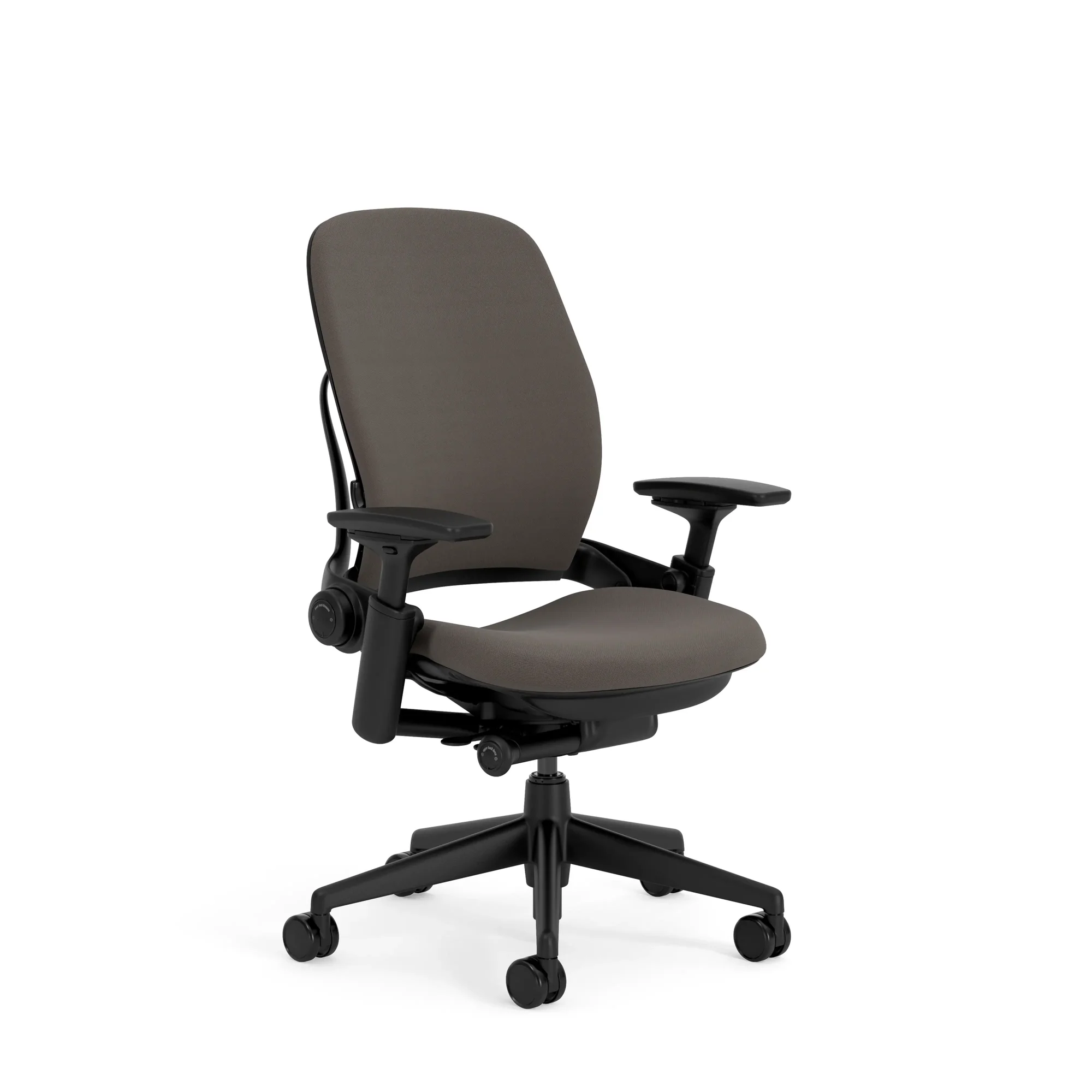
Steelcase Leap V2 — strengths & weaknesses
What users like: During in-store testing, the Leap V2 often feels comfortable and represents a clear upgrade from budget office chairs. Its extensive adjustment options—including seat depth, armrests, and lumbar support—promise a personalized fit. The used market offers opportunities to find these chairs at significant discounts from corporate liquidations.
What users dislike: The comfort doesn't last. Multiple reviewers report severe seat discomfort that begins within 30 minutes and worsens progressively over time. One owner described the seat as having "virtually no cushioning," causing unbearable pain after just 10 minutes despite being able to sit comfortably in other chairs for hours. Crucially, the chair's many adjustments fail to solve the comfort problem, and adding cushions reportedly ruins the ergonomics further. At $1,399, reviewers consistently describe it as poor value.
The pattern: Initial showroom comfort does not translate to long-term daily use. The seat—not the lauded LiveBack technology—is the consistent pain point.
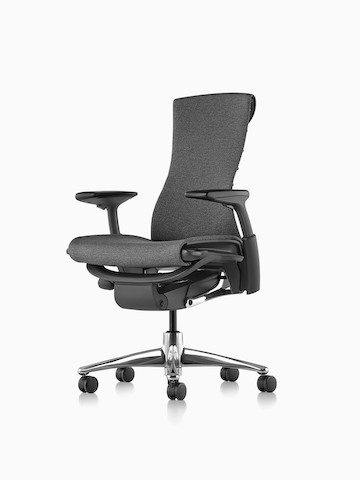
Herman Miller Embody — strengths & weaknesses
What users like: Long-term owners (3–5 years) rate the Embody highly, with one giving it 9.5/10. The chair's Backfit matrix earns consistent praise for excellent back support that naturally encourages good posture without forcing it. Users report it works well for both concentrated office work and relaxed use, and many describe "God tier comfort" when properly set up. The chair maintains its performance over years of daily use.
What users dislike: The Embody is "far from perfect out of the box." The recline adjustment mechanism is difficult to use, the chair sometimes creaks, and armrest adjustments aren't intuitive. Some owners feel compelled to buy aftermarket accessories—headrests, seat foam, lumbar pillows—to optimize comfort, which adds cost and complexity. A minority of users found it outright uncomfortable or harmful to their back, underscoring the importance of trying before buying.
The pattern: When it works, it works exceptionally well for years. But it requires patience to dial in, and it's not universally comfortable despite the premium price.
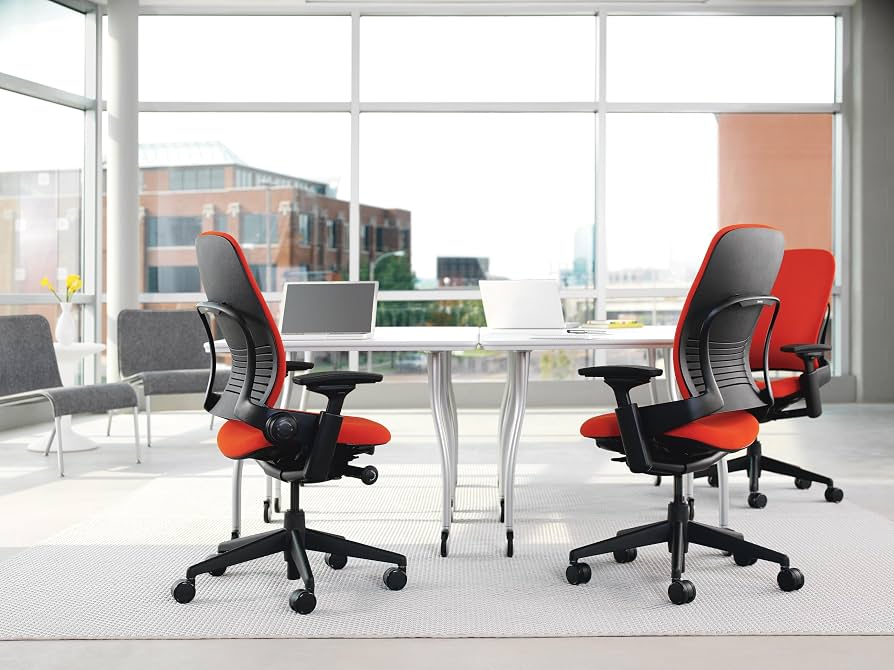
How they differ
Seat comfort: This is the decisive difference. The Leap V2's seat generates overwhelming negative feedback—users cannot escape discomfort regardless of adjustments. The Embody's seat receives far less criticism, with complaints centered on setup rather than fundamental design flaws.
Back support philosophy: The Leap V2's LiveBack moves with your spine. The Embody's pixelated matrix distributes pressure and encourages micro-movement. In practice, Embody users praise back support; Leap V2 users rarely mention it because seat pain dominates.
Dimensions: The Leap V2 offers a deeper seat (48 cm vs 42 cm) and slightly wider seating (51 cm vs 50 cm), plus higher weight capacity (159 kg vs 136 kg). It accommodates taller users up to 195 cm versus the Embody's 190 cm limit. The Embody provides a slightly larger recline range (130° vs 120°).
Setup experience: The Leap V2's adjustments are extensive but fail to solve its core problem. The Embody's controls are less intuitive and may require time—or aftermarket tweaks—but reward the effort with long-term satisfaction.
Price and value perception: The $301 difference shrinks in importance when the cheaper chair earns a 2.2 rating and the pricier one earns 3.8. Leap V2 owners feel cheated; Embody owners more often feel satisfied, even if not thrilled with the out-of-box experience.
Who should buy which
Buy the Herman Miller Embody if:
You prioritize back support and posture over immediate plug-and-play comfort
You're willing to spend time (and possibly money on accessories) dialing in the perfect setup
You want a chair with strong 3–5 year durability track records from real users
You fall within 160–190 cm height and under 136 kg weight capacity
You can test it first or have a solid return policy
Buy the Steelcase Leap V2 if:
You find a heavily discounted used unit and can test it extensively before committing
You need higher weight capacity (159 kg) or accommodation for taller frames (up to 195 cm)
You require deeper seat depth (48 cm)
Avoid the Leap V2 if: You're buying new at full or near-full price. The 2.2 rating and pervasive seat comfort complaints make it a high-risk purchase for daily, long-duration use.
Consider alternatives entirely if: You cannot test the Embody in person and want guaranteed comfort. User feedback confirms both chairs benefit significantly from try-before-you-buy, but the Embody's mixed minority of negative reviews suggests body compatibility matters.
The verdict
The Herman Miller Embody wins this matchup decisively. Despite costing $301 more and requiring setup patience, its 3.8 rating reflects genuine long-term user satisfaction, strong back support, and durability over years. The Steelcase Leap V2's 2.2 rating is damning: extensive adjustments cannot overcome a fundamentally uncomfortable seat that causes pain within 30 minutes for multiple owners. At $1,399, it represents poor value compared to a chair that costs more but delivers far better real-world performance.
If you're spending over $1,000 on a task chair, the Embody's higher price is justified by significantly better odds of long-term comfort. The Leap V2 might work as a discounted used purchase you can test extensively, but buying new is a gamble the user reviews suggest you'll lose. For premium ergonomic seating, the Embody is the safer, smarter investment—provided you try it first or secure a return policy.
Frequently asked
- Is the Herman Miller Embody more comfortable than the Steelcase Leap V2?
- User reviews strongly favor the Embody with a 3.8 rating versus the Leap V2's 2.2. Leap V2 owners frequently report severe seat discomfort after 30 minutes, while Embody users praise back support and long-term comfort despite some setup challenges.
- Which chair has better adjustability, Leap V2 or Embody?
- Both offer 4D armrests and lumbar support. The Leap V2 has a larger recline range (120° vs 130°), seat depth adjustment (48cm vs 42cm), and wider seat (51cm vs 50cm). The Embody's recline mechanism is noted as less intuitive to adjust.
- Do these chairs justify their $1,400-$1,700 price tags?
- Reviews are split. The Leap V2's 2.2 rating suggests poor value, with owners calling it 'extremely uncomfortable' despite the price. The Embody's 3.8 rating and positive long-term reviews (3-5 years) indicate better satisfaction, though some users feel it requires aftermarket additions to optimize.
Specs, reviews & details
Specs, reviews & details