Steelcase Leap V2 vs Herman Miller x Logitech G Embody Gaming Chair: Which Should You Buy?
Premium ergonomic chairs with polarizing comfort—here's how to choose
Specs, reviews & details
Specs, reviews & details
Introduction
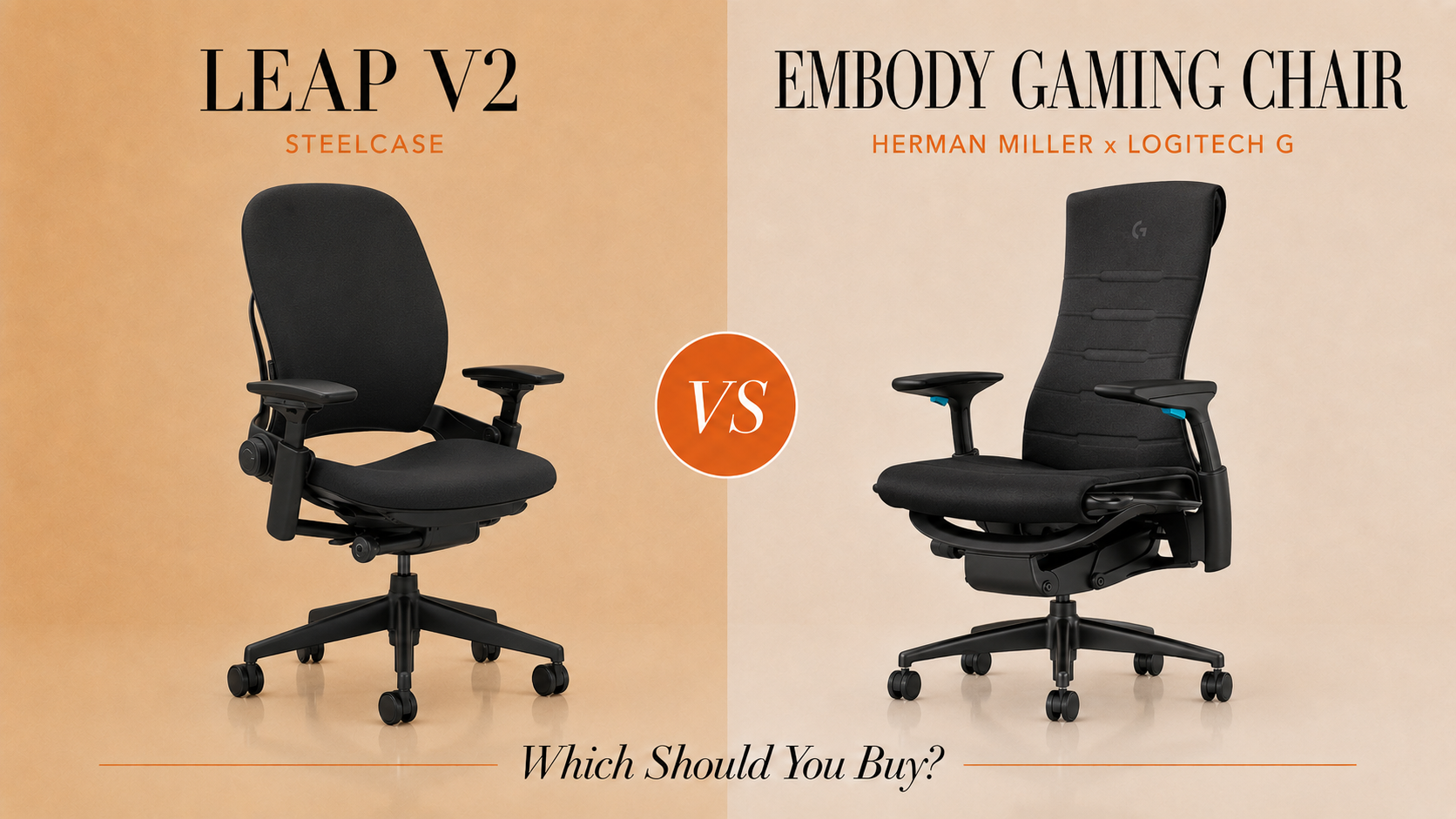
The Steelcase Leap V2 and Herman Miller x Logitech G Embody Gaming Chair represent two premium approaches to all-day seating, but they deliver strikingly different user experiences. At $1,399, the Leap V2 offers LiveBack technology and Natural Glide recline in one of the most-researched task chairs ever made—yet its 2.2 rating reveals serious comfort issues. The Embody Gaming Chair commands $2,045 for Herman Miller's ergonomic pedigree enhanced with Logitech's gaming-focused cooling foam and tilt limiter, earning a 3.3 rating. Both provide 12-year warranties and 4D armrests, but real-world feedback shows sharp differences in seat comfort and long-term satisfaction.
At a glance
Spec | Steelcase Leap V2 | Herman Miller x Logitech G Embody Gaming Chair |
|---|---|---|
Price | $1,399 | $2,045 |
Category | Office | Office |
Aggregate Rating | 2.2 / 5 (12 reviews) | 3.3 / 5 (12 reviews) |
Armrests | 4D | 4D |
Lumbar Support | Yes | Yes |
Headrest | No | Yes |
Recline Range | 120° | 135° |
Seat Depth | 48 cm | 50 cm |
Seat Width | 51 cm | 54 cm |
Weight Capacity | 159 kg | 150 kg |
Warranty | 12 years | 12 years |
Chair Weight | 19 kg | 32 kg |
Steelcase Leap V2 — strengths & weaknesses
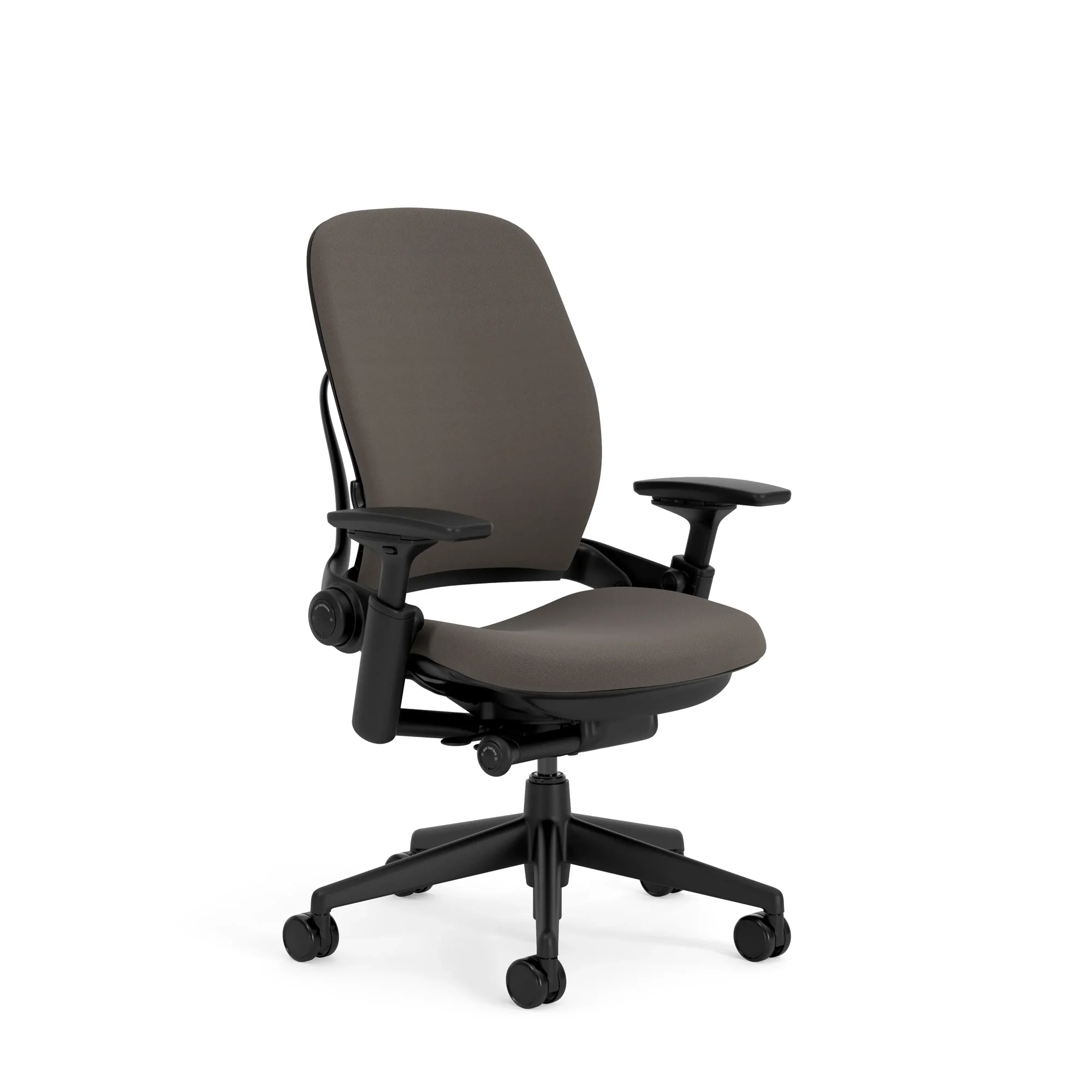
Strengths: The Leap V2 impressed testers during in-store trials and offered extensive adjustment options for personalized fit. Users found it a successful upgrade from cheaper chairs initially, and the secondhand market provides good value for those willing to buy used units. The chair's extensive adjustability is frequently mentioned as a feature-rich advantage.
Weaknesses: The overwhelming complaint centers on seat discomfort. Multiple reviewers report the seat becomes unbearable after just 30 minutes to an hour, with virtually no cushioning and progressive worsening over time. One user noted discomfort escalated over a full year of ownership, while another experienced pain after only 10 minutes despite comfort in other seating. Adjustments and added cushions failed to resolve the issue and reportedly ruined ergonomics further. Given the $1,399 price, reviewers felt the chair delivered poor value, with some expressing outright hatred for the purchase after extended use.
Herman Miller x Logitech G Embody Gaming Chair — strengths & weaknesses
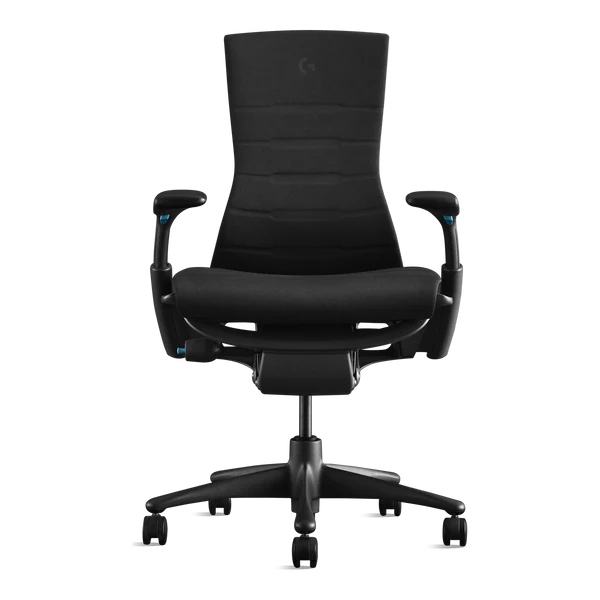
Strengths: Users praise excellent comfort and back support, with one reviewer calling it the best chair after testing over 100 models across three years. The construction quality earns consistent approval, and it represents a significant upgrade from other gaming chairs like SecretLab. The collaboration combines Herman Miller's century-plus seating science with Logitech G's gaming technology, including copper-infused cooling foam. Some users report the chair improves with use, becoming more comfortable after a break-in period.
Weaknesses: The $2,045 retail price (listed as $1,400–$2,000 in reviews) is a major barrier. Some users report tailbone pain specific to the gaming version, and seat cushioning may feel too thin and firm. One reviewer experienced a subtle bouncing sensation after five months. The stiff backrest and lumbar area caused some pain for at least one user after one month. Review mentions of a headrest costing an extra $189 suggest additional expense, though specs indicate a headrest is included. Limited color options on the gaming version also drew criticism.
How they differ
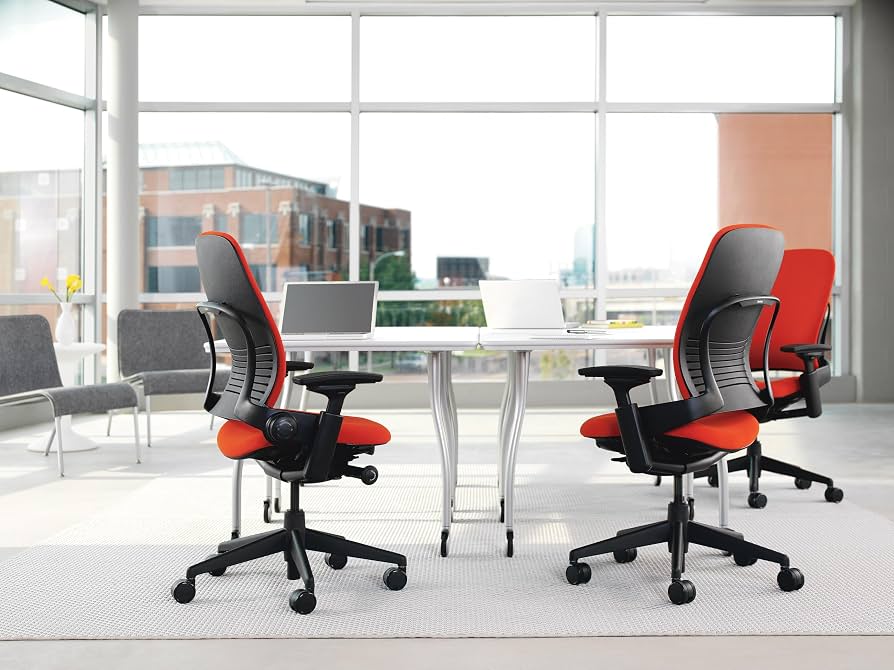
Seat comfort: This is the defining split. The Leap V2 suffers from widespread seat discomfort complaints that persist despite adjustments, while the Embody earns praise for comfort and back support—though its seat is also described as firm.
Price and value perception: The Embody costs $646 more but delivers a higher satisfaction rating (3.3 vs. 2.2). Leap V2 buyers felt cheated at $1,399; Embody buyers acknowledged the steep price but generally felt the quality justified the cost.
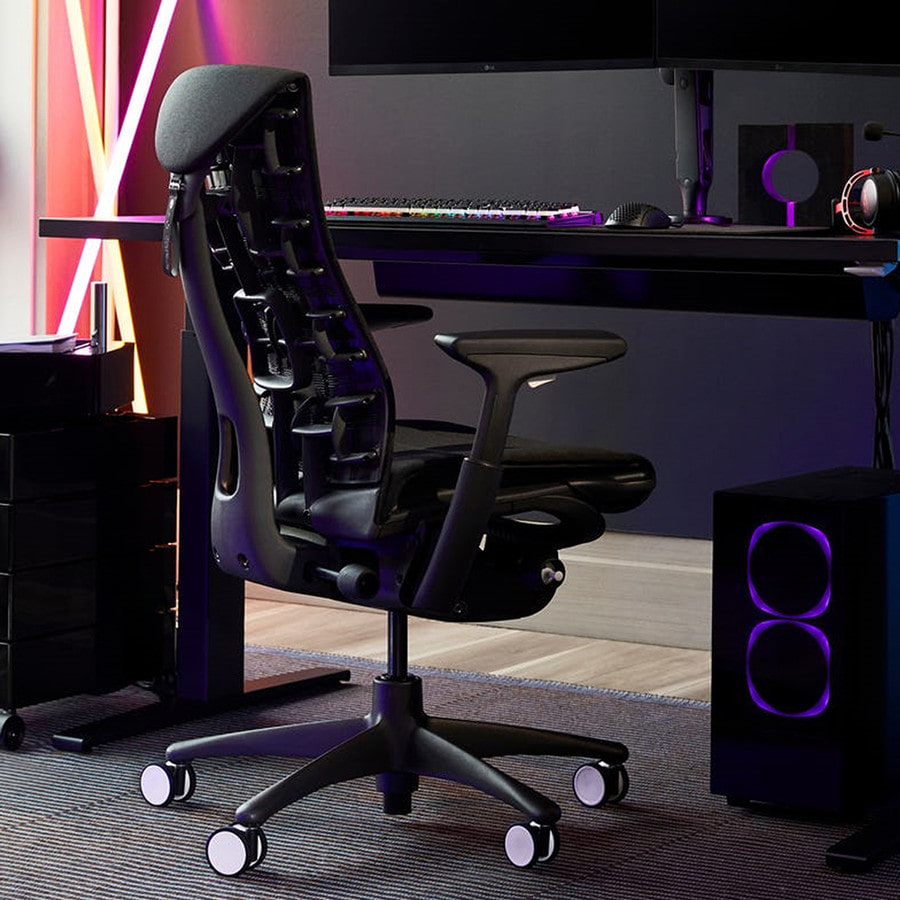
Physical footprint: The Embody is significantly heavier (32 kg vs. 19 kg), wider (54 cm vs. 51 cm seat width), and offers a taller backrest (85 cm vs. 58 cm) with a headrest. It also reclines further (135° vs. 120°).
Design focus: The Leap V2 is a pure task chair with LiveBack technology and Natural Glide recline for screen-aligned work. The Embody Gaming Chair adapts Herman Miller's office ergonomics with gaming-specific enhancements like cooling foam and a tilt limiter for long sessions.
Break-in period: At least one Embody review noted the chair improves over time. Leap V2 users reported the opposite—comfort degraded progressively, especially over the first year.
Who should buy which
Buy the Steelcase Leap V2 if: You can test it extensively in-store first or purchase a used unit at significant discount (as some successful buyers did). The chair's adjustability may work for certain body types, but the risk of severe seat discomfort is too high to recommend blind online purchase at full retail price given the review pattern.
Buy the Herman Miller x Logitech G Embody Gaming Chair if: You prioritize back support and overall comfort for long desk or gaming sessions, can afford the $2,045 investment, and prefer a taller backrest with headrest. It's the safer premium choice based on higher ratings and more consistent comfort feedback. Be prepared for firm seat cushioning and a potential break-in period.
Consider alternatives if: You need plush seat cushioning (both chairs lean firm), have a strict budget under $1,400, or require a weight capacity above 159 kg (the Leap V2's limit, though the Embody maxes at 150 kg).
The verdict
The Herman Miller x Logitech G Embody Gaming Chair wins this matchup despite its $646 premium. The Steelcase Leap V2's 2.2 rating and pattern of severe, persistent seat discomfort—even after a year of ownership and extensive adjustment attempts—make it difficult to recommend at $1,399. While the Leap V2 boasts impressive research pedigree and adjustability, real-world feedback shows a meaningful portion of users experienced regret.
The Embody's 3.3 rating, praise for back support and construction quality, and endorsement from reviewers who tested hundreds of chairs justify the higher cost for buyers who can afford it. Yes, it's expensive, and the seat is firm—but it doesn't inspire the same buyer's remorse. If $2,045 exceeds your budget, hunt for a used Leap V2 and test it thoroughly before committing. Otherwise, save longer for the Embody or explore other options entirely.
===BODY===
Frequently asked
- Is the Herman Miller Embody more comfortable than the Steelcase Leap V2?
- Based on review data, the Embody has a higher rating (3.3 vs 2.2) and fewer complaints about seat discomfort. Multiple Leap V2 users report severe seat pain after 30 minutes, while Embody users praise back support despite mentioning firm cushioning.
- Why is the Steelcase Leap V2 rated so low despite being a popular chair?
- The Leap V2's 2.2 rating stems from recurring complaints about an uncomfortable, thinly-cushioned seat that causes pain after 30 minutes to an hour, even after extensive adjustments. Several users expressed disappointment given the $1,399 price.
- Does the Herman Miller Embody Gaming Chair include a headrest?
- Yes, the specs indicate the Embody Gaming Chair has a headrest, though one review mentions a headrest costs an extra $189, suggesting it may be sold separately in some configurations.
Specs, reviews & details
Specs, reviews & details