Steelcase Leap V2 vs Steelcase Gesture: Which Should You Buy?
Two premium Steelcase chairs with a $100 price gap—and very different outcomes
As an Amazon Associate I earn from qualifying purchases. Search links may include other models or accessories; confirm the exact item, seller and condition before buying.
Specs, reviews & details
Specs, reviews & details
Introduction
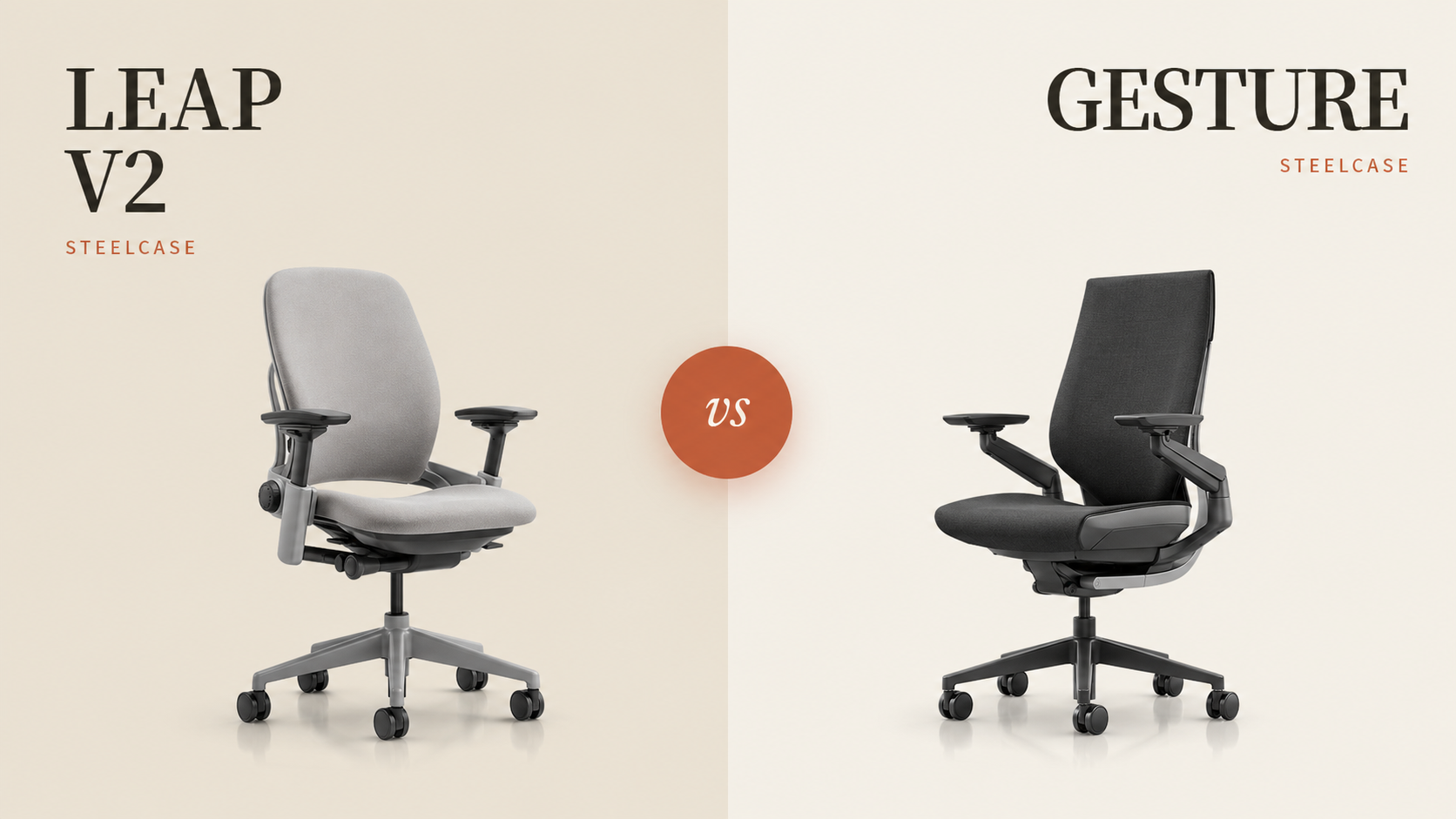
The Steelcase Leap V2 and Steelcase Gesture sit at the top of the office chair market, separated by just $100 and nearly identical specifications. Both offer 12-year warranties, 4D armrests, and lumbar support for users between 165 and 195 cm tall. Yet their user ratings tell strikingly different stories: the Leap V2 scores 2.2 out of 5 across 12 reviews, while the Gesture earns 3.8 from the same number of assessments. This comparison cuts through the specs to reveal which chair actually delivers comfort and value.
At a glance
Spec | Steelcase Leap V2 | Steelcase Gesture |
|---|---|---|
Price | $1,399 | $1,499 |
Category | Office | Office |
Seat dimensions (W×D cm) | 51 × 48 | 51 × 43 |
Armrest type | 4D | 4D (360-degree) |
Recline range | 120° | 125° |
Weight capacity | 159 kg | 159 kg |
Warranty | 12 years | 12 years |
Aggregate rating | 2.2 / 5 (12 reviews) | 3.8 / 5 (12 reviews) |
Steelcase Leap V2 — strengths & weaknesses
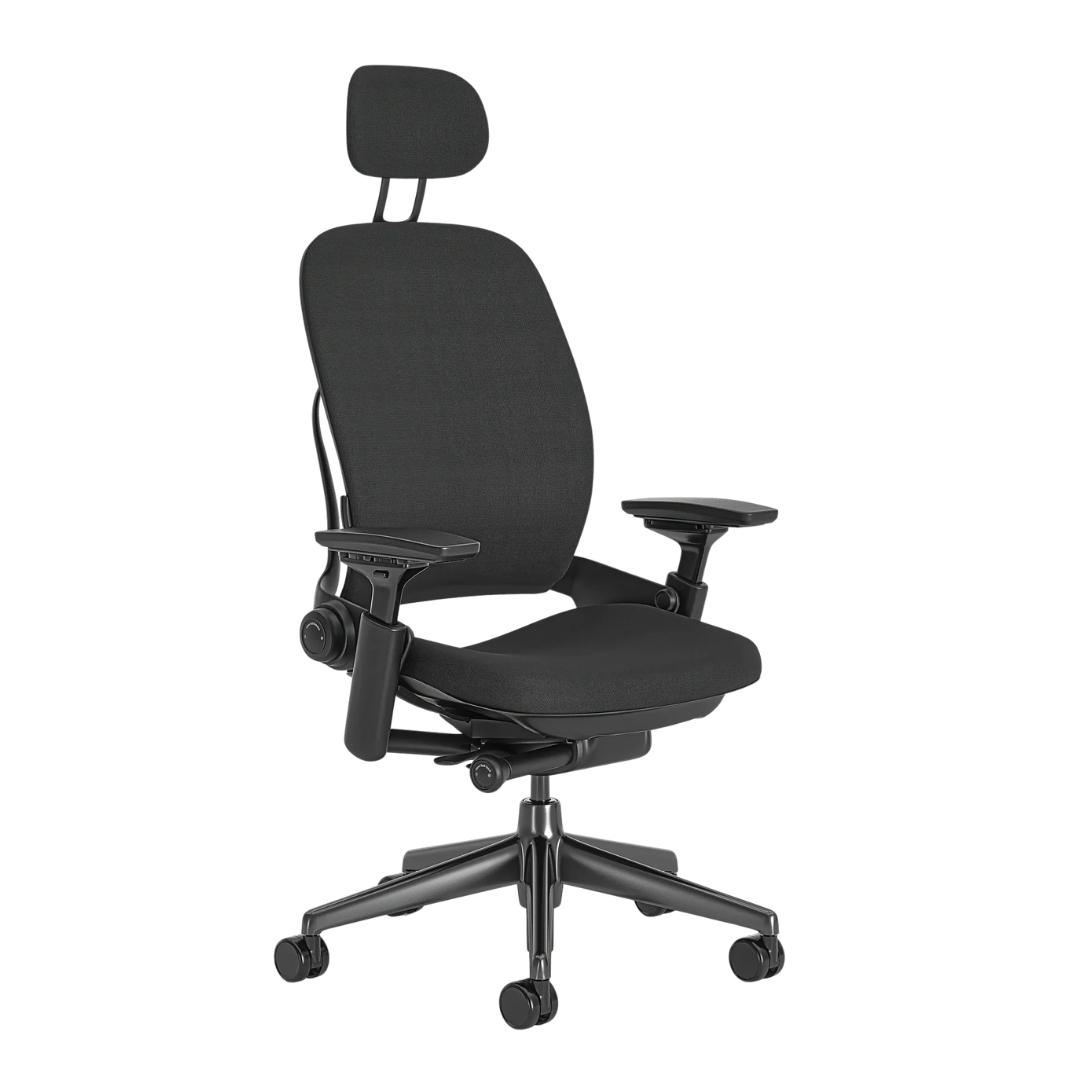
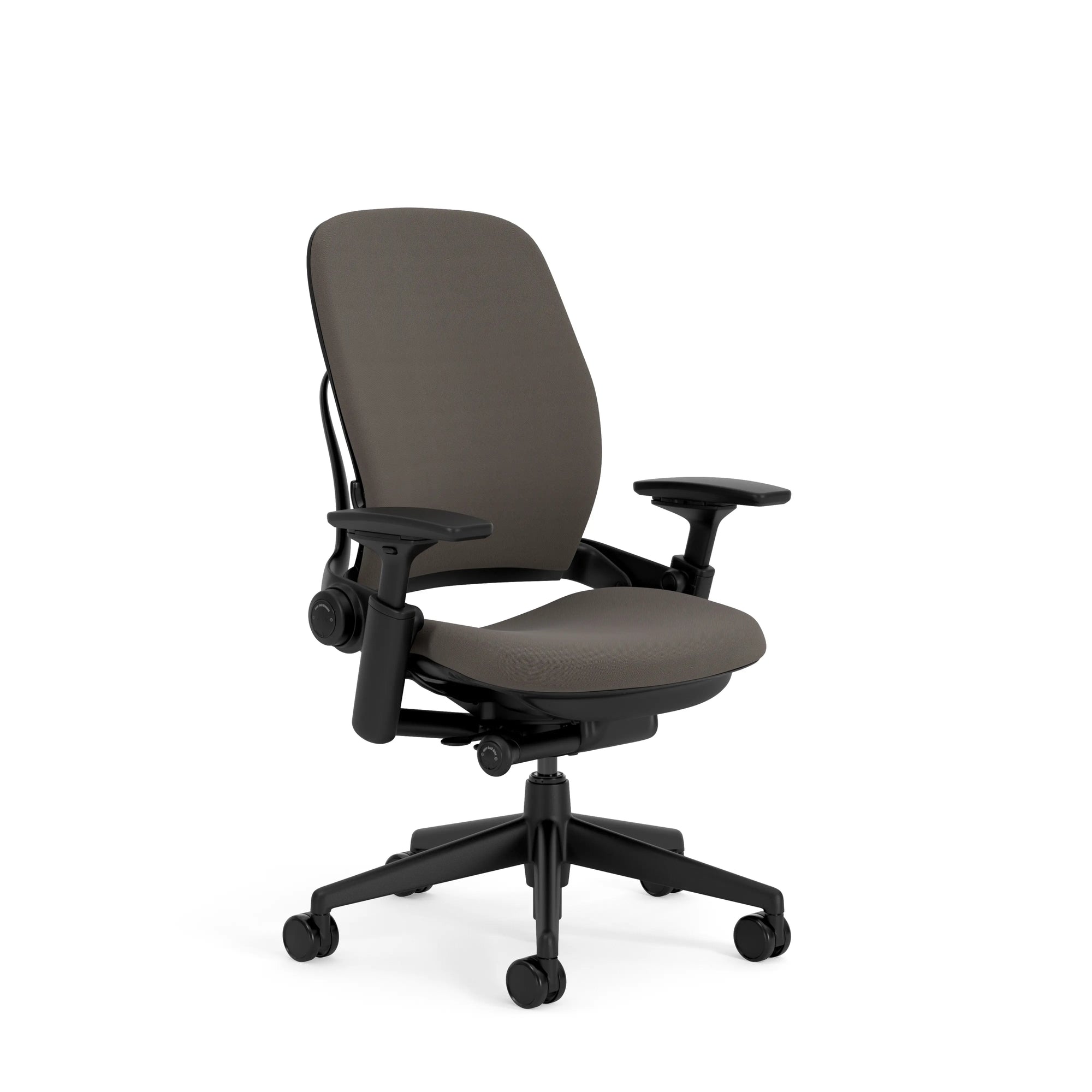
Strengths: The Leap V2 often performs well during initial in-store testing, with buyers reporting it felt most comfortable among competing chairs in showrooms. Its extensive adjustment options provide personalized fit potential, and the used market offers strong availability at significant discounts—several reviewers successfully upgraded home offices with secondhand units from institutional sources.
Weaknesses: The seat cushioning provokes severe complaints. Multiple reviewers describe discomfort beginning within 10 to 30 minutes of sitting, with one user stating the seat has "virtually no cushioning." This discomfort reportedly worsens progressively over the first year of ownership. Crucially, reviewers note that adjustments do not resolve the seat comfort issues, and adding cushions compromises the chair's ergonomics. Given the $1,399 price point, numerous users express disappointment with the value proposition.
Purchased a new Steelcase Leap V2 at discount but found the seat uncomfortable from day one. Discomfort progressively worsened over a year, becoming unbearable after only 30 minutes of sitting.

Steelcase Gesture — strengths & weaknesses
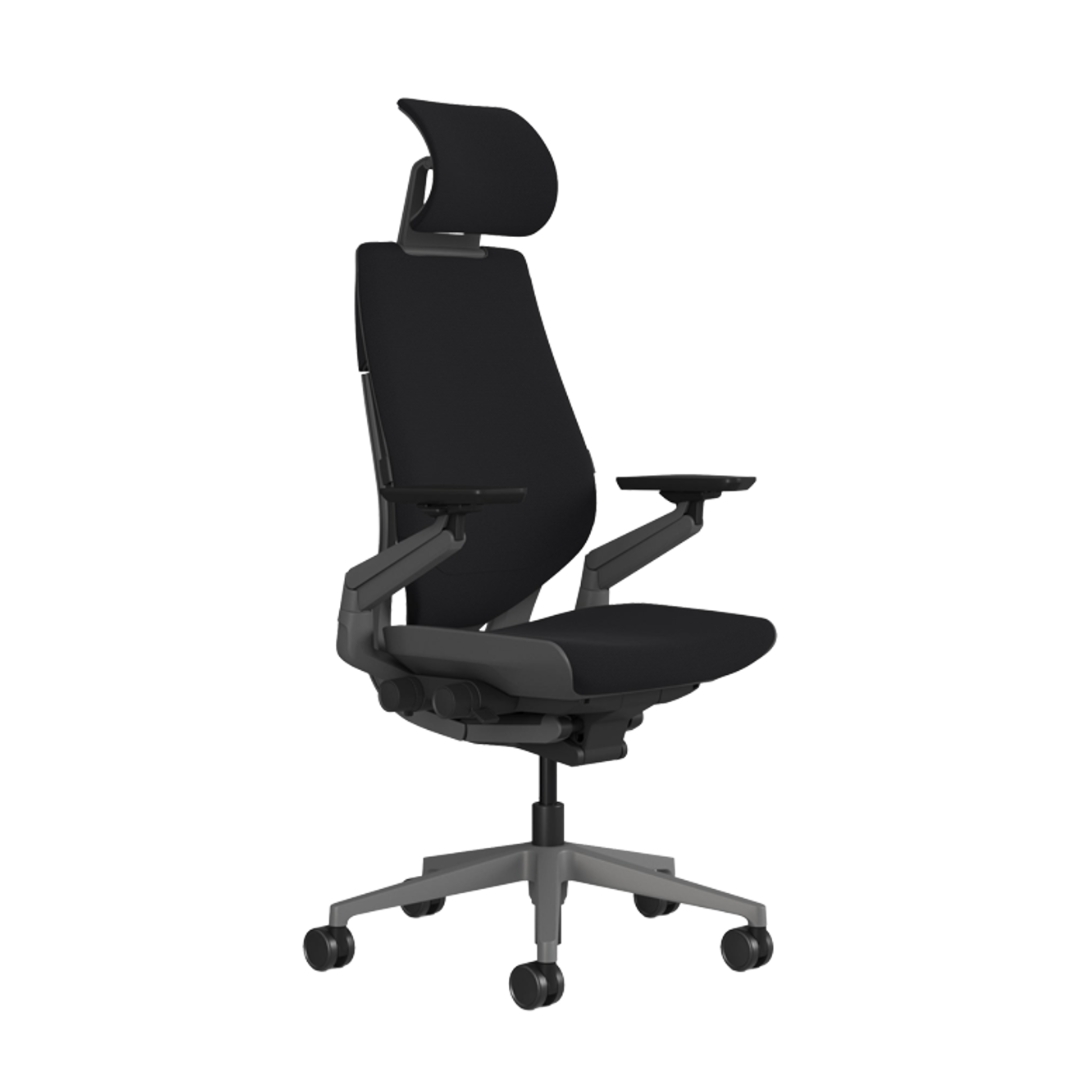
Strengths: The Gesture earns praise for comprehensive ergonomic adjustments covering all major parameters, with professional ergonomics experts highlighting the tilt mechanism and armrest functionality. Users appreciate the narrower backrest design, which provides shoulder and back freedom without a claustrophobic feeling—particularly valued by those with trapezius tension. The chair initially performs well during early ownership, and several reviewers note its ability to support various sitting positions for extended periods.
Weaknesses: Long-term durability emerges as the primary concern. One reviewer reported that all four Gesture chairs purchased experienced breakdown issues after three years, leading to "extreme buyer's regret." Another user describes the chair as looking "cheap and budget-like despite high price point." Professional reviews, while thorough on features, lack specific performance ratings or long-term durability assessment.
While initially satisfied, all four chairs purchased have experienced durability issues and are breaking down, leading to strong regret about the purchase.
How they differ
The core difference lies in seat depth and armrest design. The Leap V2 offers 48 cm of seat depth versus the Gesture's 43 cm, yet this advantage is undermined by widespread seat cushioning complaints. The Gesture's signature feature—360-degree armrests designed to follow device use from keyboard to tablet—costs an extra $100 and distinguishes it for multi-posture work.
The backrest philosophy diverges: the Leap V2 uses LiveBack technology intended to mimic spine movement, while the Gesture employs a narrower backrest for shoulder mobility. The Gesture's slightly wider recline range (125° versus 120°) offers marginally more flexibility.
Most significantly, user satisfaction splits dramatically. The Leap V2's 2.2 rating reflects persistent seat comfort failures, while the Gesture's 3.8 rating suggests better initial ergonomic performance—tempered by durability concerns that surface after the three-year mark.
Who should buy which
Buy the Steelcase Leap V2 if: You're shopping the used market and can test the specific unit before purchase. At discounted institutional liquidation prices, the extensive adjustability and strong used availability make sense—but only if you personally verify the seat comfort works for your body during an extended trial.
Buy the Steelcase Gesture if: You work across multiple devices (keyboard, tablet, touchscreen) and value armrest flexibility, can tolerate the $1,499 price point for an estimated three-year lifespan, and prefer a narrower backrest for shoulder freedom. The higher user rating suggests better odds of initial comfort, though budget for potential replacement or repair beyond year three.
Consider alternatives if: You need proven long-term durability beyond three years, or if seat comfort is your absolute priority. Both chairs show significant weaknesses in areas where premium pricing should deliver excellence.
The verdict
The Steelcase Gesture wins this matchup by default, supported by its 3.8 rating versus the Leap V2's troubling 2.2. While neither chair emerges as a clear champion—the Leap V2 suffers from fundamental seat comfort failures, and the Gesture shows durability concerns after three years—the Gesture at least delivers initial ergonomic satisfaction for most users. The $100 premium buys you superior armrests and better odds of comfort, even if longevity remains questionable.
For buyers committed to the Steelcase ecosystem, the Gesture represents the safer choice. But the modest rating and durability reports suggest exploring competitive premium chairs before committing nearly $1,500. If purchasing a Leap V2, stick exclusively to discounted used units you can personally test—the new-purchase risk is simply too high given the consistent seat comfort complaints.
Frequently asked
- Is the Steelcase Gesture more comfortable than the Leap V2?
- Reviews suggest yes—the Gesture rates 3.8 out of 5 versus the Leap V2's 2.2, with fewer seat comfort complaints. However, some Gesture owners report durability issues after 3 years.
- What is the main difference between Leap V2 and Gesture?
- The Gesture costs $100 more and features 360-degree armrests designed for multi-device use, plus a narrower backrest for shoulder freedom. The Leap V2 emphasizes LiveBack spine-mimicking technology and Natural Glide recline.
- Which Steelcase chair has better long-term durability?
- Neither chair shows strong durability in user reviews. Leap V2 owners report persistent seat discomfort over time, while multiple Gesture owners cite breakdown issues after 3 years across several units.
Affiliate links: we may earn a commission from qualifying purchases. Check current delivery, return and warranty terms on Amazon.
Specs, reviews & details
Specs, reviews & details