Steelcase Leap V2 vs Steelcase Karman: Which Should You Buy?
Same price bracket, opposite philosophies: cushioned adjustability vs ultralight mesh
Specs, reviews & details
Specs, reviews & details
Intro
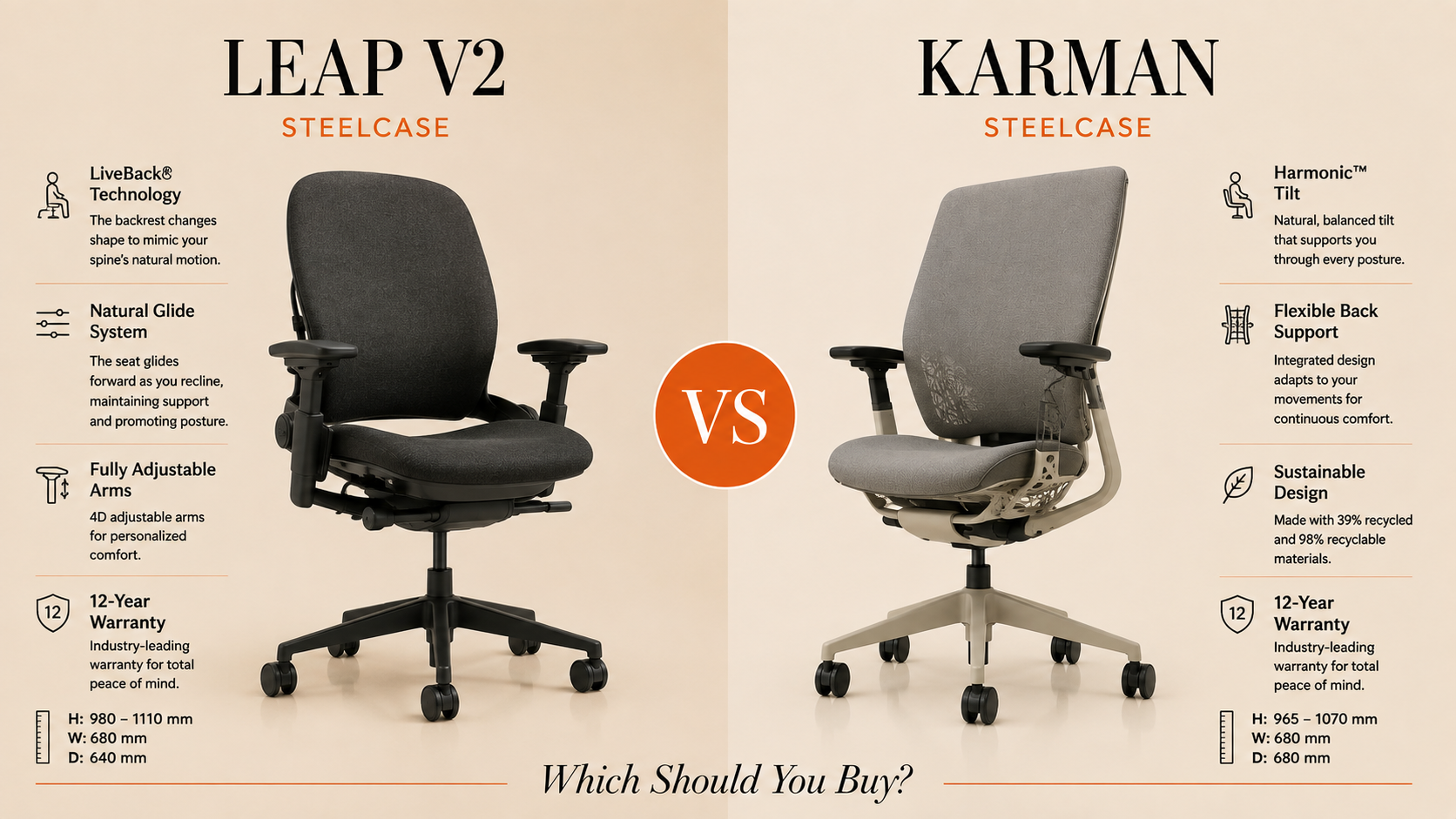
The Steelcase Leap V2 and Karman sit just $329 apart but represent fundamentally different approaches to premium office seating. The Leap V2 is one of the most researched task chairs ever made, with LiveBack technology and a cushioned seat designed to mimic spinal movement. The Karman is Steelcase's first dedicated full-mesh chair, weighing under 5 kg and targeting high-mobility knowledge workers with interwoven suspension. Both carry 12-year warranties and comprehensive adjustment sets, but their review scores tell very different stories: the Karman earns 3.6 out of 5 stars compared to the Leap V2's troubling 2.2.
At a glance
Spec | Steelcase Leap V2 | Steelcase Karman |
|---|---|---|
Price | $1,399 | $1,070 |
Category | Office task chair | Office task chair |
Armrests | 4D | 4D |
Seat depth | 48 cm | 43 cm |
Recline range | 120° | 125° |
Weight | 19 kg | 5 kg |
Weight capacity | 159 kg | 159 kg |
Warranty | 12 years | 12 years |
Aggregate rating | 2.2 / 5 (12 reviews) | 3.6 / 5 (12 reviews) |
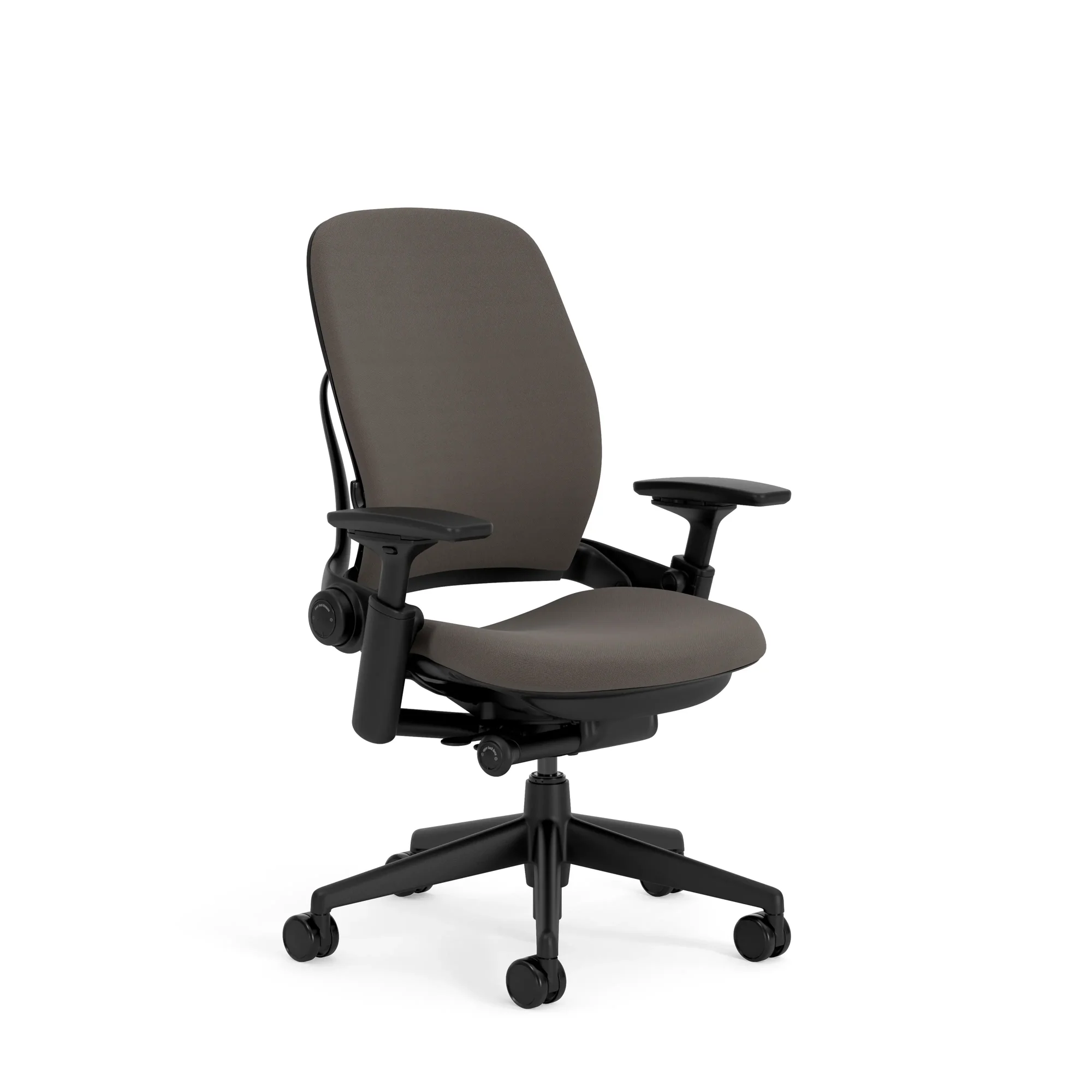
Steelcase Leap V2 — strengths & weaknesses
Strengths: The Leap V2 felt most comfortable during in-store testing for several buyers, and its extensive adjustment options promise a personalized fit. Reviewers appreciated the upgrade from cheaper chairs initially, and the chair's availability on the secondhand market (one buyer sourced units from Habitat for Humanity after a bank relocation) makes it accessible at lower price points. Three-year office deployments confirm its durability under continuous multi-user testing.
Weaknesses: The seat is the Leap V2's Achilles heel. Multiple reviewers report severe discomfort starting within 10–30 minutes of sitting, describing the seat as having "virtually no cushioning." One buyer found discomfort worsened progressively over a year, and another grew to "hate it" after full-time work-from-home use. Crucially, adjustments and added cushions did not resolve the problem—cushions actually ruined the ergonomics further. Given the $1,399 price, reviewers felt it delivered poor value.
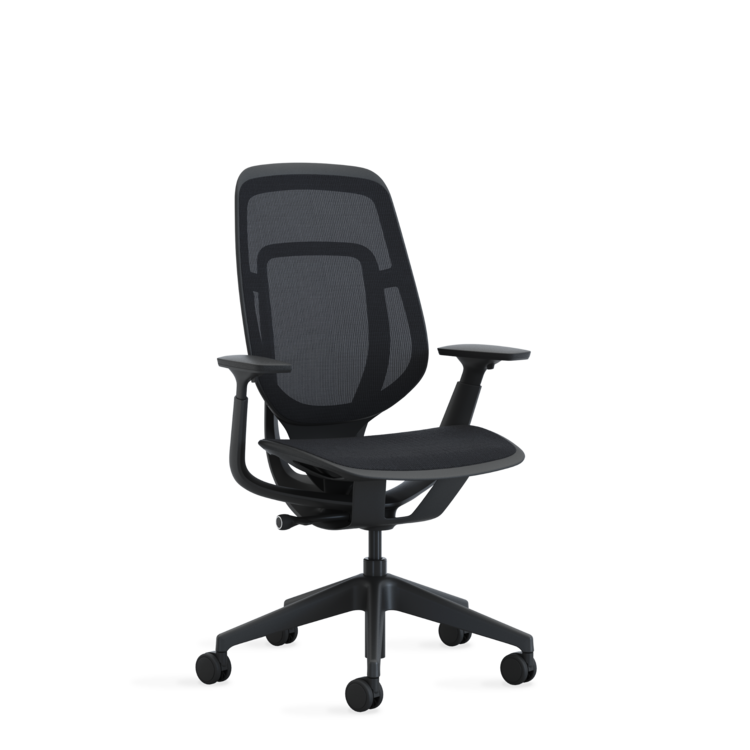
Steelcase Karman — strengths & weaknesses
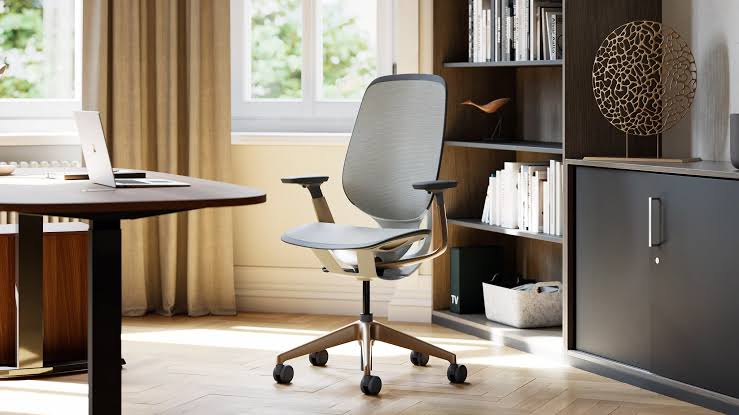
Strengths: The Karman earns praise for its sleek, stylish appearance and effective mesh construction. Reviewers note it avoids the hammocking effect common to mesh chairs, with one tester who sampled nearly all mesh competitors declaring it "the best all-mesh chair on the market," surpassing the Herman Miller Aeron, Mirra 2, and Cosm. The backrest receives particular commendation. Its 5 kg weight makes it exceptionally portable. At $1,070, it undercuts the Leap V2 while delivering higher satisfaction scores. It works well in upright locked mode, and the mesh is expected to provide good summer cooling.
Weaknesses: The recline function disappoints: it goes too far back even with resistance adjustments, and the 20% bodyweight resistance setting is inadequate for controlling seated angle during the workday. One reviewer preferred the Aeron's adjustable tilt limiter for this reason. Build quality concerns emerged in a six-month review, including burrs in hidden areas that are difficult to clean and surfaces that easily show white marks on the armpad and seat frame. Uncertainty remains about the full range of armrest adjustments, specifically inward-outward movement.
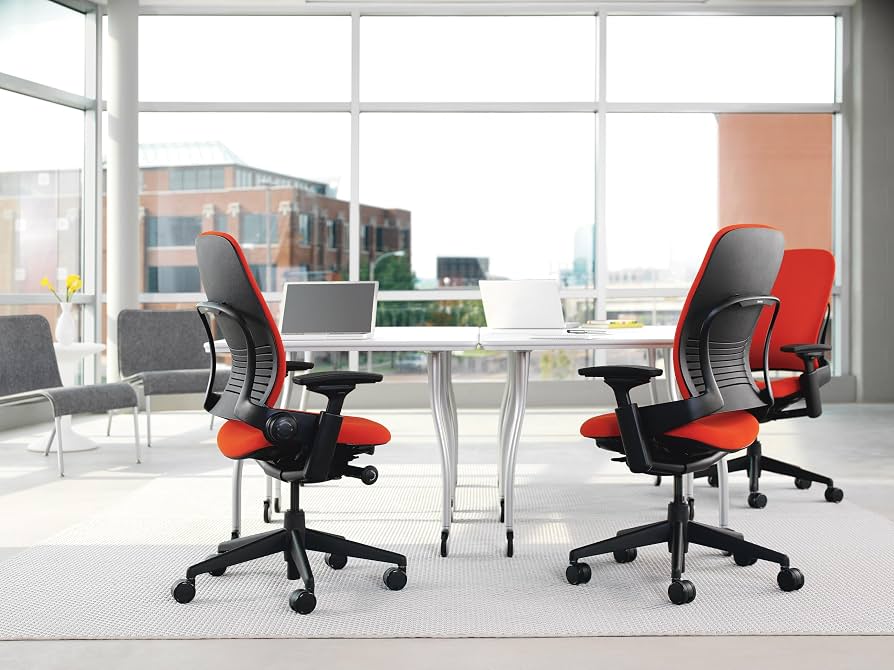
How they differ
Seat design: The Leap V2 uses a cushioned seat with LiveBack technology; the Karman uses interwoven mesh suspension. Review data strongly favors the Karman's mesh, as the Leap's cushioned seat consistently triggers discomfort complaints.
Weight and mobility: At 5 kg, the Karman weighs less than a quarter of the Leap V2's 19 kg. If you rearrange your workspace frequently or need to move the chair between rooms, the Karman is vastly easier to handle.
Recline control: The Leap V2's Natural Glide recline keeps eyes aligned with the screen, and reviewers don't fault its tilt mechanism. The Karman's recline goes too far back with inadequate resistance settings, frustrating users who want fine control over seated angle.
Seat depth: The Leap V2 offers 48 cm of seat depth versus the Karman's 43 cm. Taller users or those who prefer deeper seats may notice this 5 cm difference.
Price and value perception: The Karman costs $329 less and scores 1.4 points higher in reviews. Leap V2 buyers explicitly cite poor value at $1,399; Karman buyers do not.
Who should buy which
Buy the Steelcase Karman if: You want the highest-rated option in this matchup and prefer mesh seating. The Karman suits buyers who prioritize low weight and portability, appreciate modern aesthetics, and can tolerate a recline mechanism with limited fine-tuning. If you run warm or work in a space without strong air conditioning, the mesh construction will help. It's also the better value at $1,070.
Buy the Steelcase Leap V2 if: You tested it in person and confirmed the seat works for your body, and you need deeper seat depth or superior recline control. The Leap V2 remains a proven choice for office deployments where durability matters, but only if you verify comfort before purchase. The secondhand market offers better pricing. Do not buy blind based on reputation alone—the seat comfort complaints are too consistent.
Consider alternatives if: You need a headrest (neither chair offers one), or if recline control is mission-critical and the Karman's limitations are dealbreakers.
The verdict
The Karman wins this matchup for most buyers. It costs less, scores significantly higher in reviews, weighs a fraction of the Leap V2, and delivers the mesh comfort Steelcase finally brought to market. The Leap V2's seat—despite extensive research and LiveBack technology—generates too many credible discomfort reports to recommend at $1,399 without in-person testing. If you're drawn to the Leap's cushioned design and deeper seat, verify comfort during an extended trial or buy used to limit financial risk. Otherwise, the Karman's combination of ultralight portability, strong mesh performance, and lower price make it the smarter premium choice, provided you can work around its overeager recline.
Frequently asked
- Is the Steelcase Karman more comfortable than the Leap V2?
- Reviews suggest yes: the Karman scores 3.6/5 vs the Leap V2's 2.2/5, with Leap owners frequently citing severe seat discomfort after 30 minutes while Karman users praise the mesh backrest and lack of hammocking.
- Which chair is lighter and easier to move?
- The Karman weighs just 5 kg compared to the Leap V2's 19 kg, making it nearly four times lighter and far more mobile for knowledge workers who rearrange their workspace frequently.
- Do both chairs have the same warranty and adjustability?
- Yes, both carry Steelcase's 12-year warranty, 4D armrests, lumbar support, and fit the same height range (165–195 cm). The Leap V2 offers slightly deeper seat depth (48 cm vs 43 cm) and the Karman provides 5 degrees more recline range.
Specs, reviews & details
Specs, reviews & details