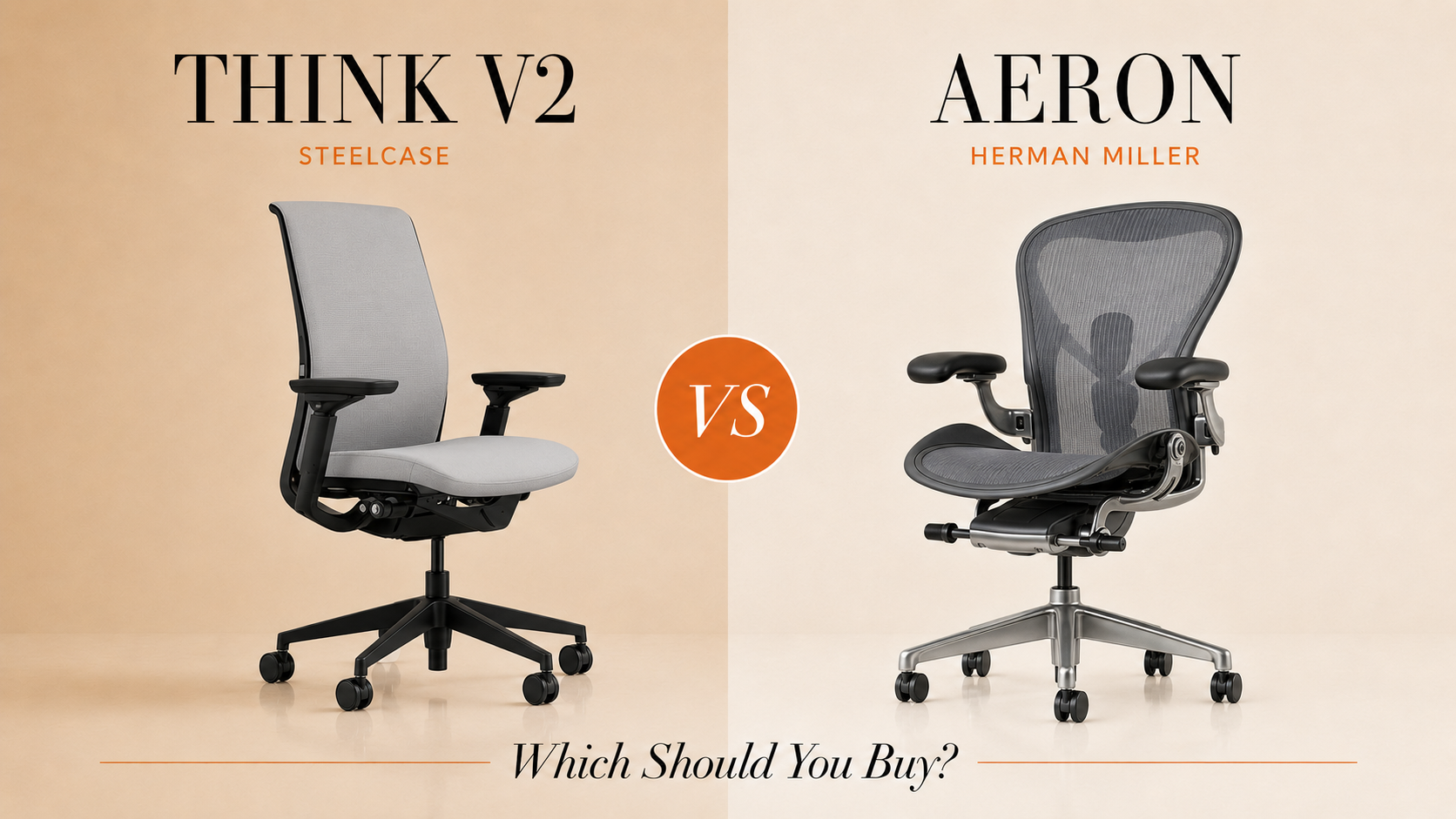
Steelcase Think V2 vs Herman Miller Aeron: Which Should You Buy?
Two premium mesh chairs, $400 apart—here's how to choose the right one
Specs, reviews & details
Specs, reviews & details
Intro
The Steelcase Think V2 and Herman Miller Aeron represent two different philosophies in premium office seating. The Think V2 leans on adaptive, weight-activated mechanics that require minimal adjustment, while the Aeron has built its reputation on iconic Pellicle mesh and PostureFit lumbar technology. At $1,100 versus $1,521, the price gap is significant—but so are the differences in how each chair approaches all-day comfort. Both target serious desk workers willing to invest in ergonomics, yet reviews reveal distinct strengths and trade-offs.
At a glance
Spec | Steelcase Think V2 | Herman Miller Aeron |
|---|---|---|
Price | $1,100 | $1,521 |
Category | Office | Office |
Armrests | 4D | 4D |
Lumbar support | Yes | Yes (PostureFit SL) |
Recline range | 125° | 125° |
Seat height range | 40–57 cm | 40–57 cm |
Recommended height | 165–195 cm | 165–180 cm |
Weight capacity | 159 kg | 159 kg |
Warranty | 12 years | 12 years |
Chair weight | 19 kg | 19 kg |
Aggregate rating | 3.3/5 (12 reviews) | 3.5/5 (12 reviews) |
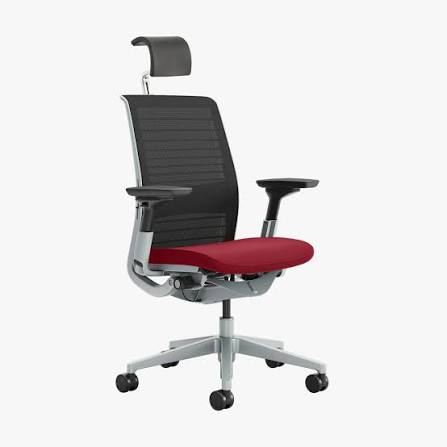
Steelcase Think V2 — strengths & weaknesses
Strengths: The Think V2's adaptive design is its headline feature. Reviewers praise its intelligent, weight-activated mechanism and back flexors that adjust automatically to body motion and posture changes, reducing the need for manual fine-tuning. Multiple users found it provided optimum support across various sitting positions, and at least one reviewer noted it specifically helped manage back pain issues. For some body types, it proved more comfortable than pricier Steelcase models like the Gesture. The headrest variant (where available) received positive feedback for neck support, and the 12-year warranty provides long-term peace of mind. The chair also incorporates up to 28% recycled content for sustainability-minded buyers.
Weaknesses: The Think V2 may not suit all body types—one reviewer experienced back pain with a different Steelcase model (the Gesture), highlighting the importance of individual fit. Some users reported plastic crossbars catching on clothing and loose armrests. Information scarcity compared to better-known models like the Aeron makes research harder for prospective buyers. Delivery times can stretch long (one user reported five months for a Gesture), and return policies in some countries are reportedly difficult. The 3.3 rating from 12 reviews suggests mixed real-world satisfaction.
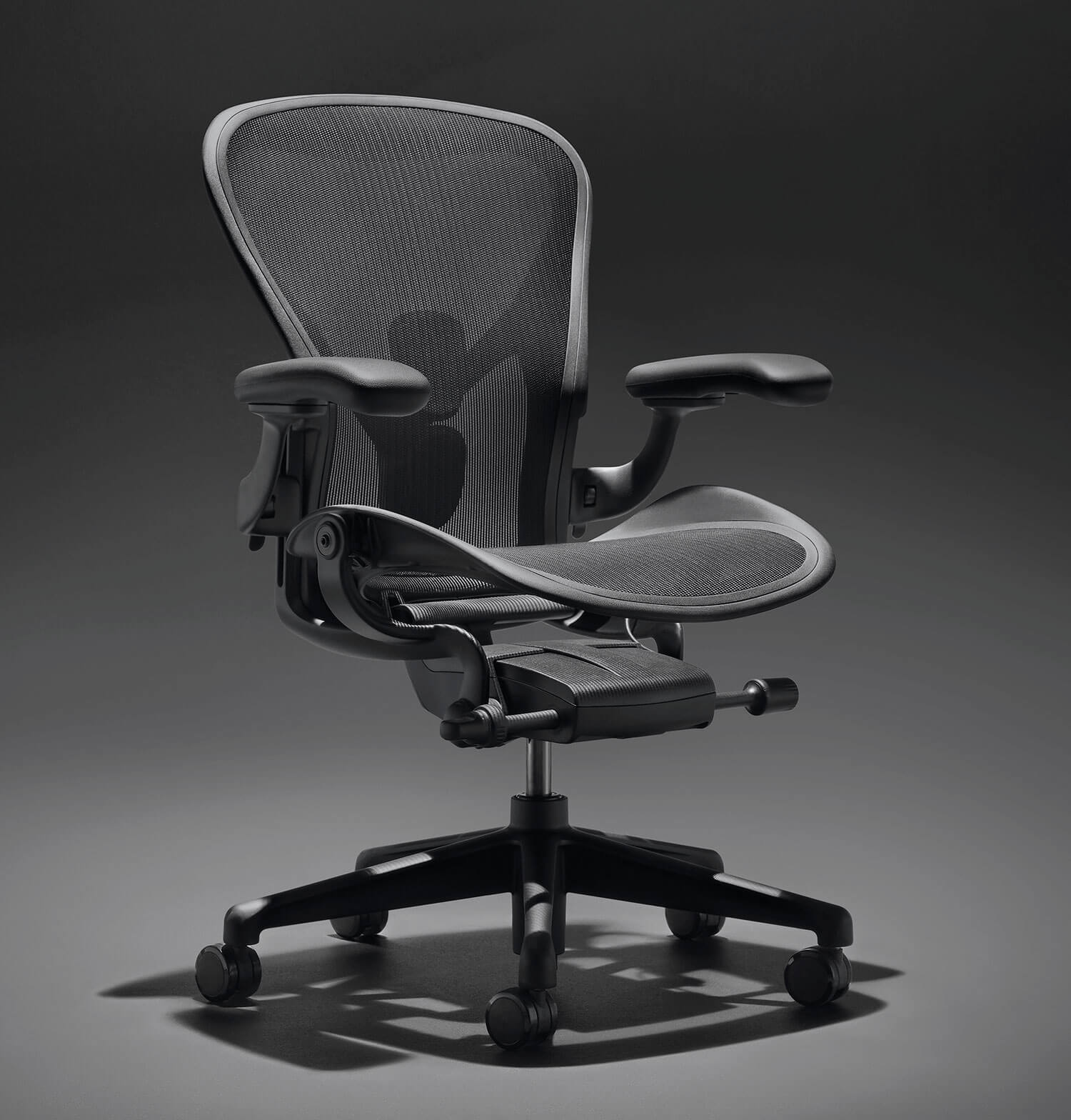
Herman Miller Aeron — strengths & weaknesses
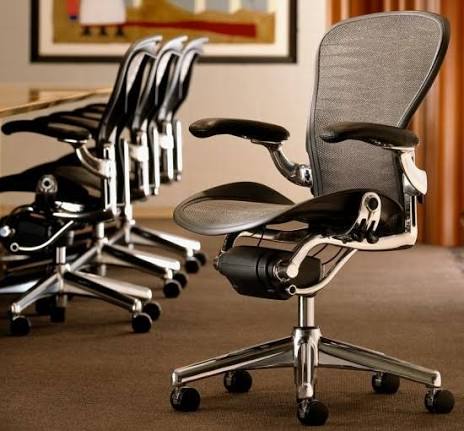
Strengths: The Aeron's most compelling advantage, according to reviewers, is its exceptional resale value. One user reported buying used for $300–400 and reselling years later for the same price, making the total cost of ownership competitive with budget chairs from IKEA or OfficeMax. The iconic Pellicle mesh and 8Z zones deliver exceptional ventilation for all-day desk work, and some users describe the experience as "sitting on a cloud." User comments indicate it works well for people dealing with back, hip, and knee issues. Official Herman Miller documentation and parts availability make long-term maintenance feasible. The chair's 3.5 rating edges slightly above the Think V2.
Weaknesses: The Aeron isn't universally loved. One long-term reviewer (three years) struggled to fully embrace it as a daily driver despite extended use, and another noted the seat pan can feel like it digs too deep. The $1,521 price point is a significant barrier, and reviews acknowledge the chair isn't suitable for everyone—sizing matters, and choosing wrong between sizes A, B, and C can undermine comfort. The recommended height range tops out at 180 cm, limiting options for taller users. Some review content focuses on technical guides or promotional material rather than in-depth user experience.
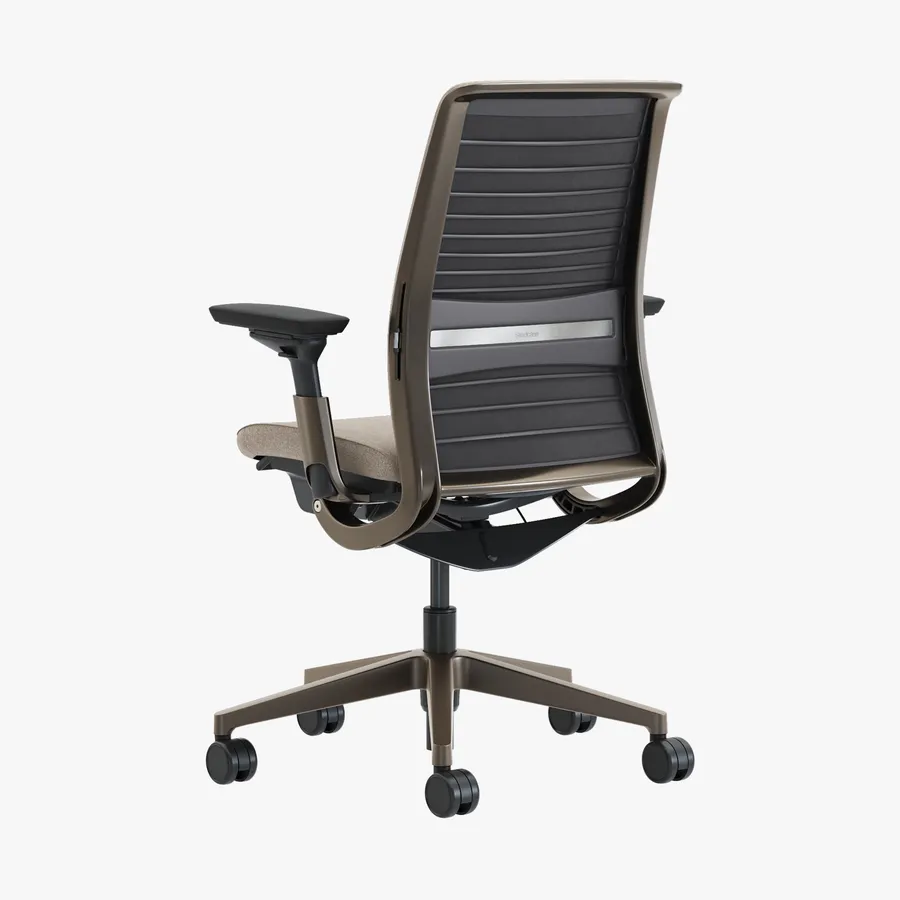
How they differ
On paper, these chairs share nearly identical specs: same seat dimensions, height range, recline, warranty, and weight capacity. The real differences emerge in design philosophy and user experience.
The Think V2 emphasizes adaptive automation. Its weight-activated mechanism and flexing backrest reduce the need for constant tweaking, appealing to users who want ergonomic support without a steep learning curve. It accommodates taller users (up to 195 cm versus 180 cm), making it the better choice for anyone above six feet.
The Aeron banks on proven iconography and resale economics. Its Pellicle mesh and PostureFit SL lumbar are well-documented and widely praised for breathability and targeted lower-back support. The secondary market is robust: reviews confirm you can recover much or all of your investment by reselling later, effectively making it a lower-risk purchase despite the higher upfront cost.
Price separates them by $421. The Think V2 offers a lower entry point with sustainable materials, while the Aeron's resale value can neutralize that gap over time if you buy used or plan to sell eventually.
Who should buy which
Buy the Steelcase Think V2 if:
You're taller than 180 cm and need a chair that accommodates up to 195 cm
You prefer chairs that adapt automatically rather than requiring frequent manual adjustment
You want to save $400+ upfront and don't plan to resell
Sustainability matters—the Think V2 uses up to 28% recycled content
You've experienced back pain and want a chair that some users credit with relief (though individual results vary)
Buy the Herman Miller Aeron if:
You value proven, iconic design with extensive documentation and parts availability
Resale value matters—you can buy used and potentially recoup your investment later
You prioritize maximum breathability for hot climates or long sessions
You're between 165–180 cm and can choose the correct size (B is most common after weight changes, per reviews)
You have back, hip, or knee issues and want a chair that users with similar conditions report works well
The verdict
The Herman Miller Aeron wins on long-term value and resale economics, making it the smarter buy if you're willing to invest $1,521 upfront or hunt the used market. Its breathability and PostureFit lumbar are well-documented strengths, and the ability to sell it years later for much of what you paid fundamentally changes the cost equation.
The Steelcase Think V2 is the better choice for taller users, those who want adaptive ergonomics without constant tweaking, and buyers prioritizing a lower initial outlay. Its 3.3 rating and mixed reviews suggest it's more hit-or-miss, but when it hits—especially for users managing back pain—it delivers intelligent support at a meaningful discount.
Neither chair is a universal solution. If possible, demo both before buying. For most desk workers between 165–180 cm with an eye on total cost of ownership, the Aeron's resale advantage and slightly higher user rating tilt the scales. For taller individuals or those drawn to adaptive, low-maintenance ergonomics, the Think V2 offers compelling value at $1,100.
Frequently asked
- Is the Herman Miller Aeron worth $400 more than the Steelcase Think V2?
- The Aeron offers exceptional resale value—buyers report selling used units years later for the original purchase price—which can offset the higher upfront cost. The Think V2 costs less initially but resale data isn't specified in reviews.
- Which chair is better for back pain?
- Review data shows the Think V2 specifically helped some users manage back pain issues, while Aeron users with back, hip, and knee issues reported it works well for them. Both have lumbar support, so individual fit matters most.
- Do these chairs fit the same body types?
- Both have identical seat dimensions (43cm depth, 51cm width) and minimum height (165cm), but the Aeron accommodates users up to 180cm tall while the Think V2 extends to 195cm, making it better for taller individuals.
Specs, reviews & details
Specs, reviews & details