Steelcase Think V2 vs Steelcase Gesture: Which Should You Buy?
Two premium Steelcase chairs separated by $399 and different philosophies
Specs, reviews & details
Specs, reviews & details
Introduction
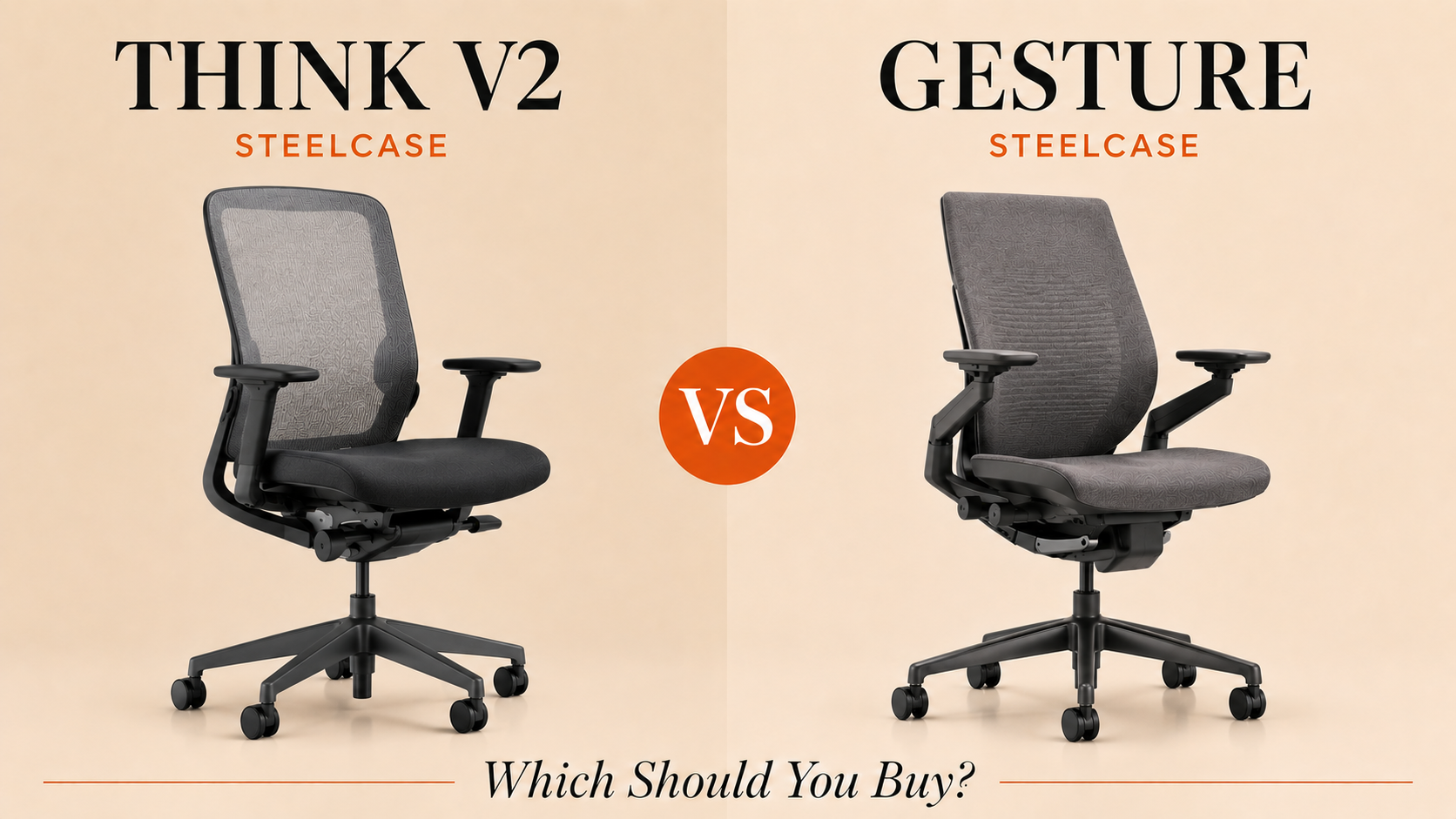
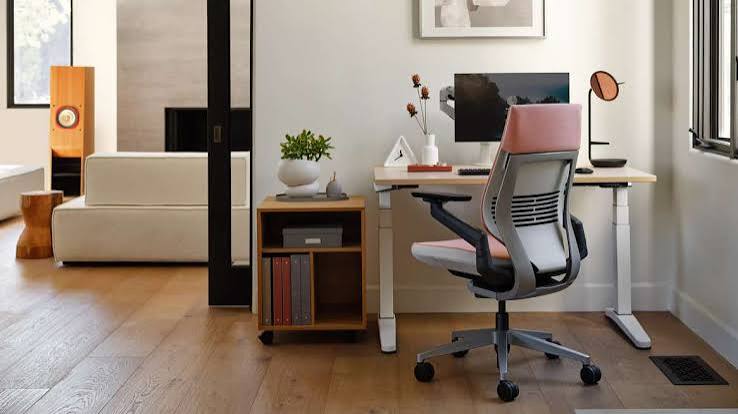
The Steelcase Think V2 and Steelcase Gesture represent two premium approaches to office seating, separated by $399 and a fundamental design philosophy. The Think V2 relies on weight-activated, adaptive mechanisms that adjust automatically to your body, while the Gesture emphasizes comprehensive manual control, particularly with its signature 360-degree arms designed for multi-device work. Both share identical specs on paper, but reviews reveal important differences in comfort, durability, and user satisfaction that should guide your decision.
At a glance
Spec | Steelcase Think V2 | Steelcase Gesture |
|---|---|---|
Price | $1100 | $1499 |
Category | Office | Office |
Aggregate Rating | 3.3/5 (12 reviews) | 3.8/5 (12 reviews) |
Key Adjustments | 4D armrests, lumbar support, 125° recline | 4D armrests (360°), lumbar support, 125° recline |
Seat Dimensions | 51 cm wide, 43 cm deep | 51 cm wide, 43 cm deep |
Height Range | 40–57 cm (users 165–195 cm) | 40–57 cm (users 165–195 cm) |
Weight Capacity | 159 kg | 159 kg |
Warranty | 12 years | 12 years |
Chair Weight | 19 kg | 19 kg |
Steelcase Think V2—strengths & weaknesses
Strengths
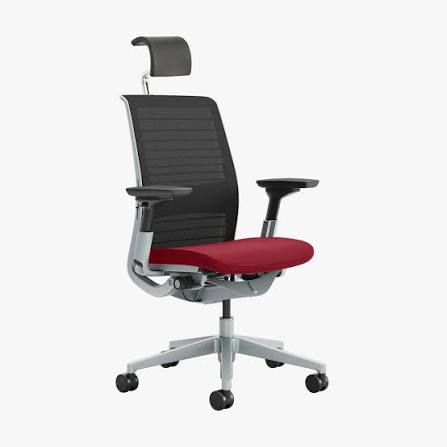
The Think V2's intelligent, adaptive design is its signature advantage. The weight-activated mechanism and back flexors adjust automatically to body motion and posture, eliminating the need for constant manual tuning. Reviews highlight that it provides optimum support across various sitting positions, and multiple users found it specifically helpful for managing back pain issues.
Some users preferred the Think V2 over higher-end alternatives like the Gesture for their specific body types, finding it more comfortable despite the lower price. The headrest variant receives praise for good neck support. The chair incorporates up to 28% recycled content and comes with comprehensive 12-year warranty coverage.
Weaknesses
The Think V2 doesn't suit all body types—fit appears highly individual. Some users report that plastic crossbars catch on clothing and that armrests can feel loose. Information about the Think is relatively scarce compared to other Steelcase models, making research more difficult for prospective buyers.
Reviews note the chair feels slightly firm, though most find this comfortable. Long delivery times and difficult return policies in some countries are mentioned as purchase barriers. The quality and condition of used units can be unclear from photos when covers are present.
Steelcase Gesture—strengths & weaknesses
Strengths
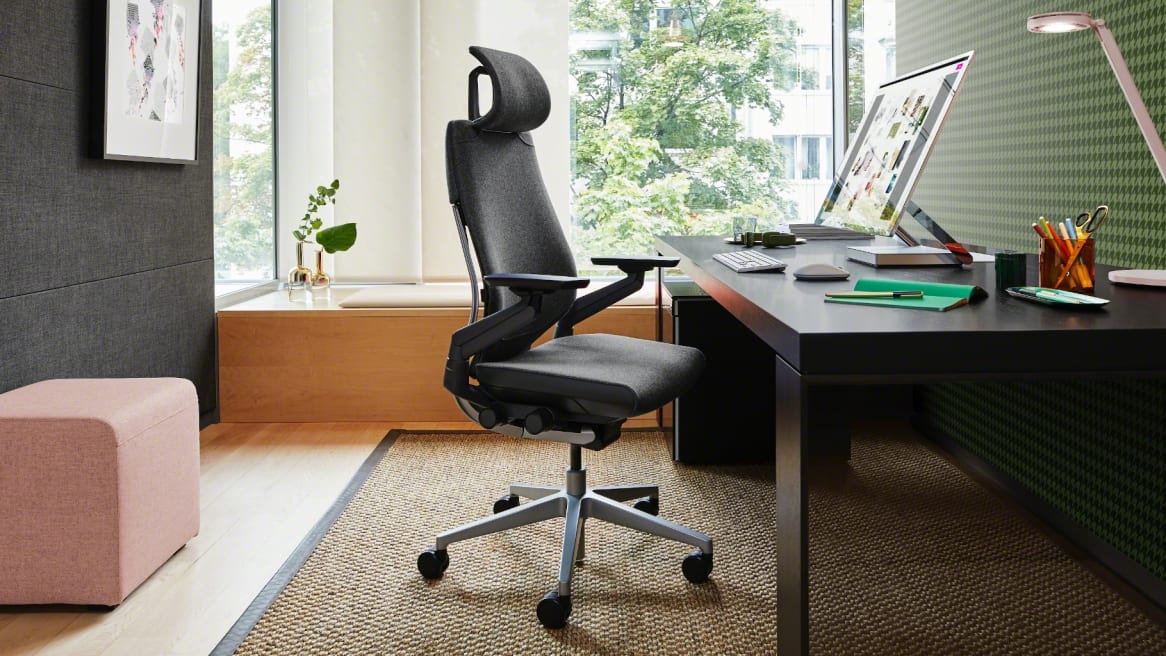
The Gesture offers comprehensive adjustment options covering all major ergonomic parameters, with particular emphasis on its 360-degree arms that follow device use from keyboard to tablet. The core interface mimics the spine for multi-posture work, and reviews from certified ergonomics experts confirm the detailed functionality of tilt mechanisms and armrest controls.
Users appreciate the narrow backrest design, which allows shoulder and back freedom without a claustrophobic feeling. Some found it beneficial for upright sitting without tilting, and it forces better posture with what one reviewer described as an "auto-correction feel." The pressure distribution reduces strain during extended sitting periods, and the wheels operate quietly.
Weaknesses
Poor long-term durability emerges as the Gesture's most significant concern. One user reported extreme buyer's regret after three years, with all four purchased units experiencing breakdown issues. This raises serious questions given the $1499 price point.
The chair looks "cheap and budget-like" according to one review despite its premium cost. While initially performing well, durability problems appear after the early ownership period. The upright posture it encourages isn't immediately comfortable for all users—it requires adjustment time to find optimal lumbar settings. One user specifically noted that switching from the Gesture to the Think V2 resolved their back pain issues.
How they differ
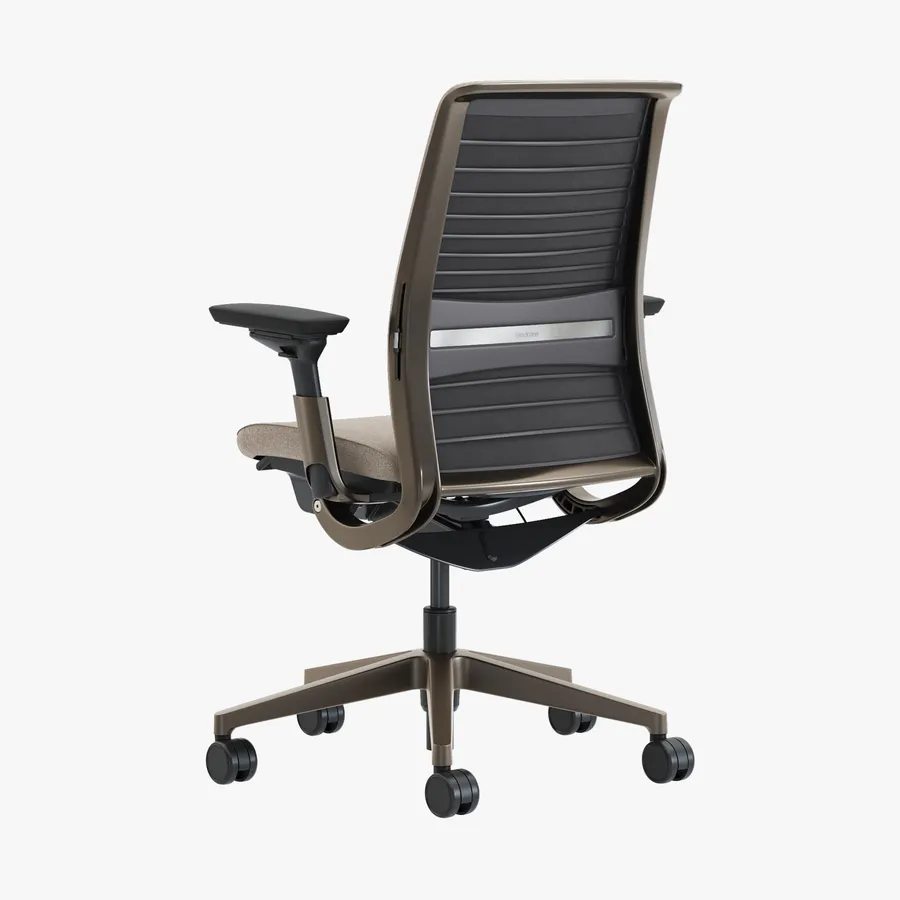
Philosophy and control: The Think V2 emphasizes automatic adaptation through weight-activated mechanisms, while the Gesture prioritizes manual adjustability, particularly with arms designed for varied device work. If you prefer set-it-and-forget-it support, the Think V2 aligns with that approach. If you frequently switch between keyboard, tablet, and other devices and want granular control, the Gesture caters to that workflow.
Durability track record: Review data raises red flags about the Gesture's long-term performance, with multiple units failing after three years. The Think V2 lacks similar long-term feedback in the provided reviews, but also lacks reports of widespread failure. Both carry identical 12-year warranties, but actual longevity appears questionable for the Gesture.
Comfort and fit: Despite identical specs, users report different experiences. Some found the Think V2 more comfortable than the Gesture for their body type, while others appreciated the Gesture's narrower backrest for shoulder freedom. One user's back pain worsened on the Gesture but improved on the Think V2, suggesting body-specific compatibility matters more than the spec sheet indicates.
Price and value: The $399 gap is substantial. The Gesture's higher rating (3.8 vs 3.3) doesn't offset durability concerns or justify the premium for buyers who don't need specialized armrest adjustability. The Think V2 offers better value unless the Gesture's specific features address your workflow needs.
Who should buy which
Buy the Steelcase Think V2 if: You want adaptive support without constant tweaking, prefer a lower price point, or previously experienced discomfort on highly adjustable chairs. It suits buyers seeking intelligent, hands-off ergonomics and those prioritizing sustainability (28% recycled content). If you've had back pain issues with other chairs, the Think V2's adaptive mechanism may provide relief where manual adjustment hasn't.
Buy the Steelcase Gesture if: You work across multiple devices throughout the day and need arms that adapt to varied postures, value comprehensive manual control over automatic adaptation, and prefer a narrower backrest for shoulder mobility. Accept that you'll need time to dial in settings and that long-term durability may be a concern. Only choose this if the 360-degree arms and manual adjustability directly address your workflow—don't pay the premium for features you won't use.
Consider alternatives if: Long-term durability is your top priority. The Gesture's failure rate after three years is concerning, and while the Think V2 shows promise, limited long-term feedback in reviews makes it difficult to confirm reliability. Both chairs' modest ratings (3.3 and 3.8) suggest neither achieves universal satisfaction despite premium pricing.
The verdict
The Steelcase Think V2 offers better value for most buyers at $1100. Its adaptive, weight-activated design delivers intelligent support without the adjustment complexity—or durability concerns—that plague the Gesture. Unless you specifically need the Gesture's 360-degree arms for multi-device work, the $399 premium isn't justified, particularly given reports of multiple units failing after three years.
The Gesture's higher 3.8 rating reflects satisfaction among users whose workflows match its strengths, but the Think V2's automatic adaptation suits a broader range of buyers who simply want a chair that works without constant tuning. Both share identical specs, so your decision hinges on whether you value manual control and specialized armrests enough to accept higher cost and potential durability issues. For adaptive comfort at a lower price, the Think V2 wins. For device-diverse workflows where you'll use those 360-degree arms daily, the Gesture justifies itself—but buy with eyes open to its long-term reliability questions.
Frequently asked
- Is the Steelcase Gesture worth $399 more than the Think V2?
- Only if you need highly adjustable arms for varied device use and prefer manual control. The Think V2's adaptive mechanism suits buyers who want automatic support without constant tweaking, while the Gesture appeals to those who work across keyboards, tablets, and other devices.
- Which Steelcase chair has better durability?
- Review data raises concerns about Gesture's long-term durability, with one user reporting all four purchased units breaking down after three years. The Think V2 has less long-term feedback in the provided reviews, though both carry the same 12-year warranty.
- Do the Think V2 and Gesture fit the same body types?
- Yes, both share identical specs: 165–195 cm height range, 159 kg weight capacity, and the same seat dimensions. However, reviews note fit varies by individual preference—some users found the Think V2 more comfortable than the Gesture, while others appreciated the Gesture's narrower backrest for shoulder freedom.
Specs, reviews & details
Specs, reviews & details