Vitra ID Trim vs Steelcase Gesture: Which Should You Buy?
Two premium ergonomic chairs with identical specs but different priorities
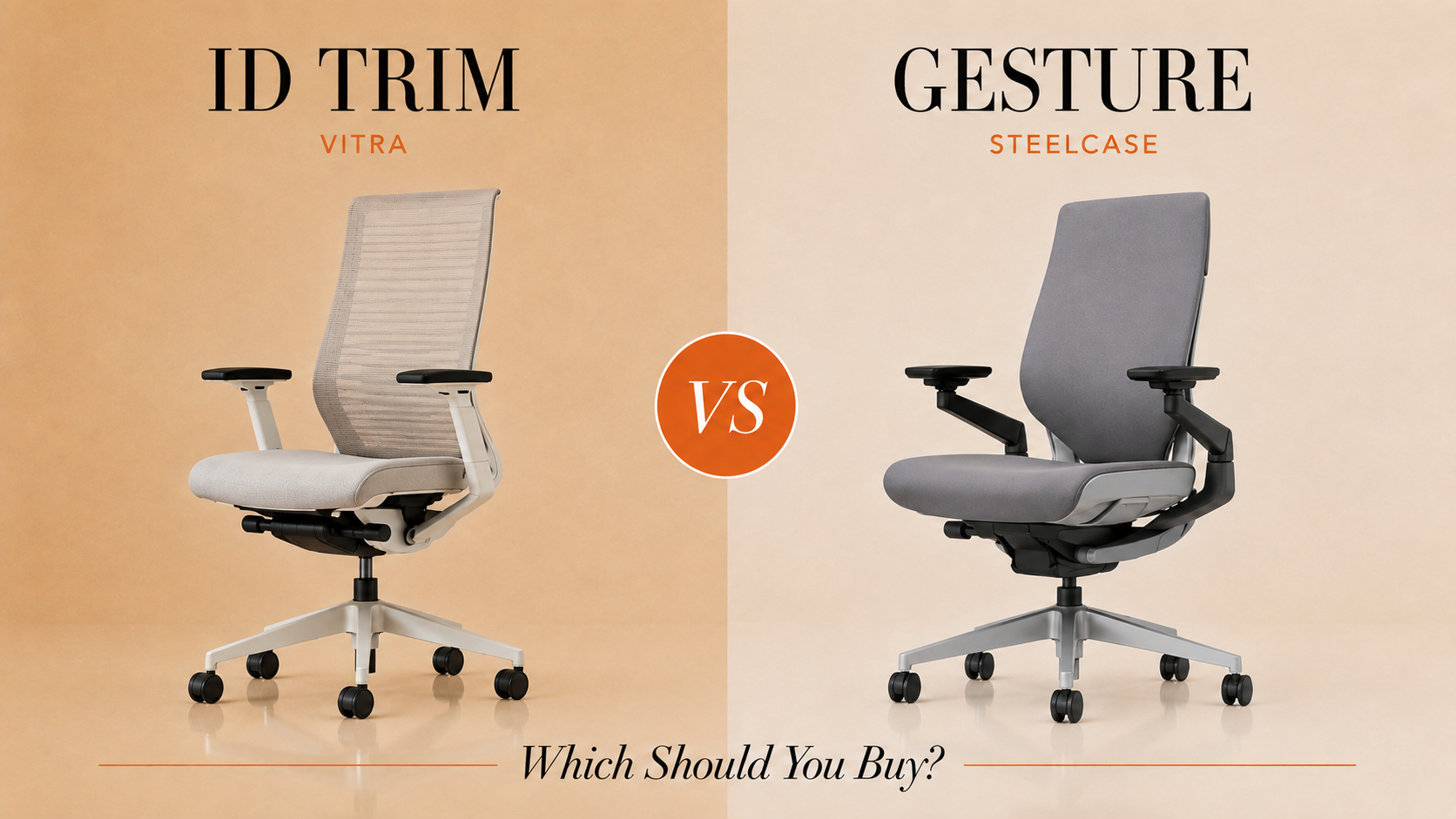
Specs, reviews & details
Specs, reviews & details
Introduction
The Vitra ID Trim and Steelcase Gesture occupy nearly identical territory on paper: both are $1,300+ premium office chairs with the same dimensions, weight capacity, warranty, and adjustability specs. Yet their review scores diverge—3.1 for the ID Trim versus 3.8 for the Gesture—and user experiences reveal distinct priorities. The ID Trim offers contemporary minimalist design for traditional desk work, while the Gesture targets multi-device users who shift between keyboards, tablets, and phones. Neither chair emerges as a clear durability winner, making this a choice about design philosophy and tolerance for reported quality-control issues.
At a glance
Spec | Vitra ID Trim | Steelcase Gesture |
|---|---|---|
Price | $1,300 | $1,499 |
Category | Office | Office |
Armrests | 4D | 4D (360-degree) |
Lumbar support | Yes | Yes |
Recline range | 125° | 125° |
Seat depth | 43 cm | 43 cm |
Seat width | 51 cm | 51 cm |
Weight capacity | 159 kg | 159 kg |
Warranty | 12 years | 12 years |
Aggregate rating | 3.1/5 (10 reviews) | 3.8/5 (12 reviews) |
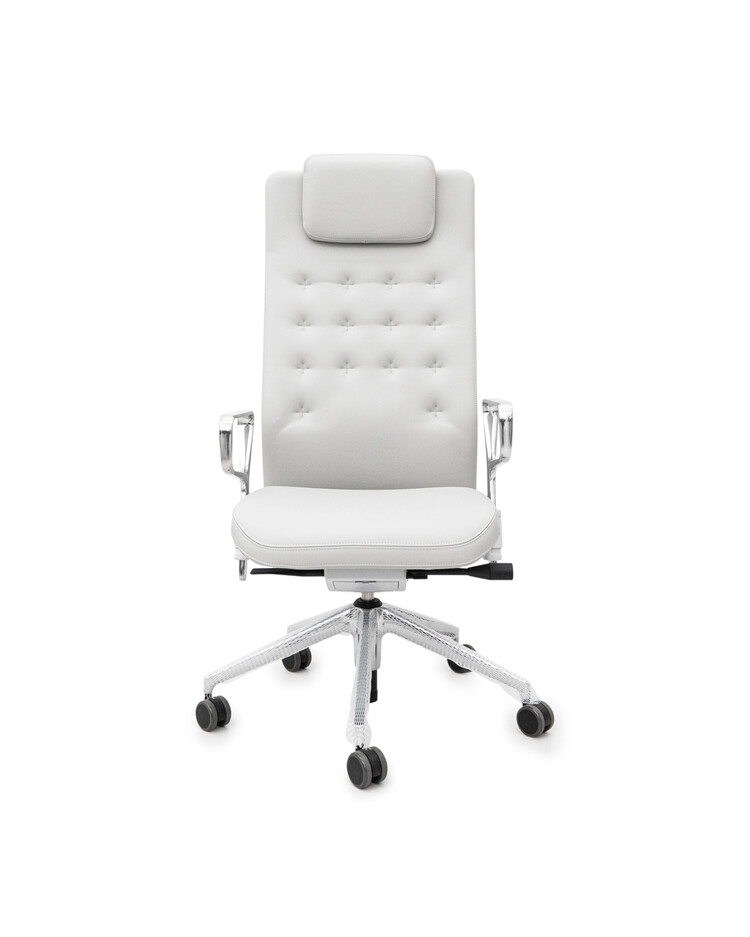
Vitra ID Trim — strengths & weaknesses
Strengths: Reviewers appreciate the ID Trim's comfortable backrest with compact padding and classic contemporary style. Antonio Citterio's design is described as suited for both office and home studio environments, with a clean visual presence and lighter profile. The chair line offers detailed variants and comprehensive function options.
Weaknesses: Durability concerns dominate the review data. One user reported a tension controller and lever that broke and never worked properly over nearly 20 years of ownership. Back support adjustment requires excessive force to operate. Some models exhibit unwanted forward tilt that cannot be eliminated, causing users to slide forward. Documentation is inconsistent across models, and customer support responsiveness drew complaints. Care instructions lack clarity on methods like steam cleaning.
Users express frustration with broken tension controllers and unwanted forward tilt causing them to slide off the chair with no way to adjust it.
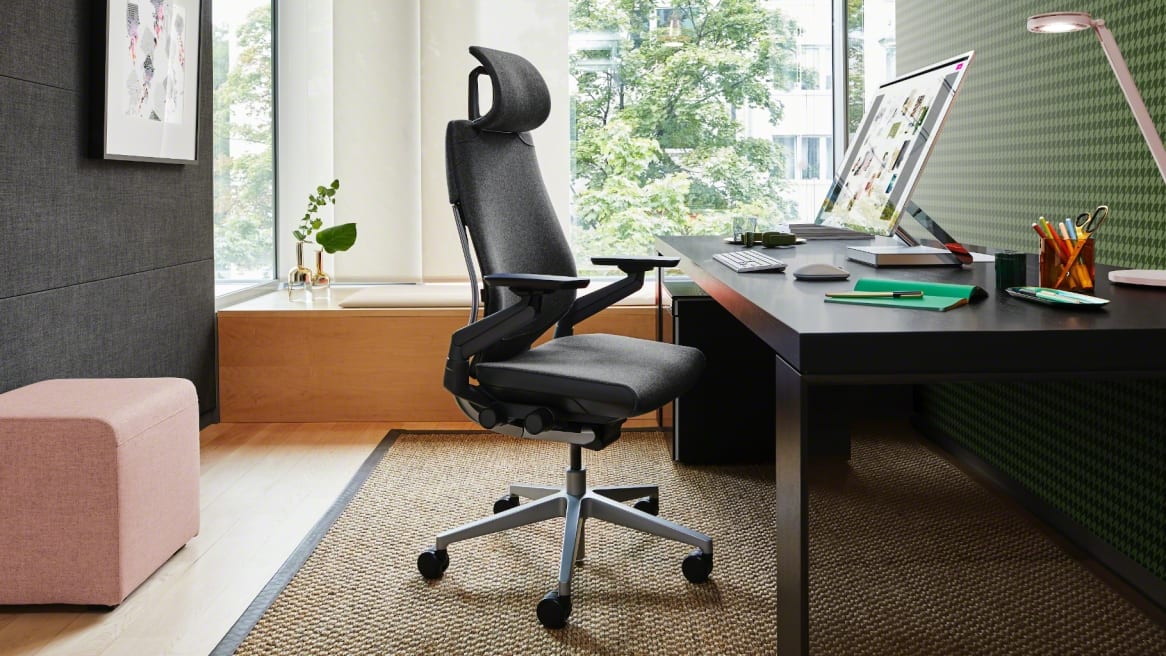
Steelcase Gesture — strengths & weaknesses
Strengths: The Gesture earned praise for comprehensive adjustment options covering all major ergonomic parameters. A certified ergonomics expert provided detailed positive coverage of the tilt mechanism and armrest functionality. The narrow backrest allows shoulder and back freedom without a claustrophobic feeling, appreciated by users with trapezius tension. One reviewer found it superior to six other chairs tested over two months. The chair performed well initially for multiple owners.
Weaknesses: Long-term durability is a serious concern. One buyer reported that all four Gesture chairs purchased experienced breakdown issues after three years, leading to extreme buyer's regret. Despite the high price, the chair "looks cheap and budget-like" according to one review. Some users found the forced upright posture uncomfortable initially, describing it as not immediately comfortable with a seat that pushes the user into position.
Long-term user reports significant disappointment after 3 years of ownership. While initially satisfied, all four chairs purchased have experienced durability issues and are breaking down.
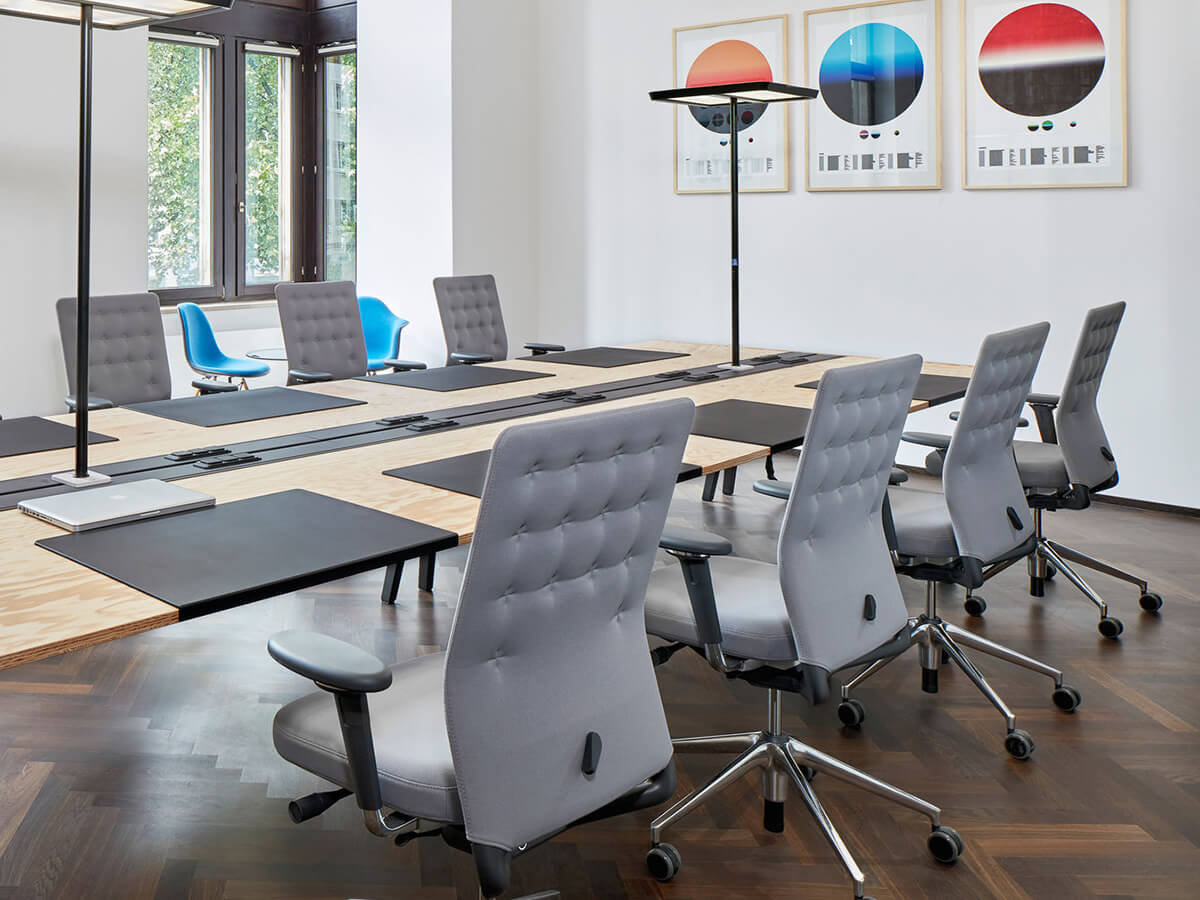
How they differ
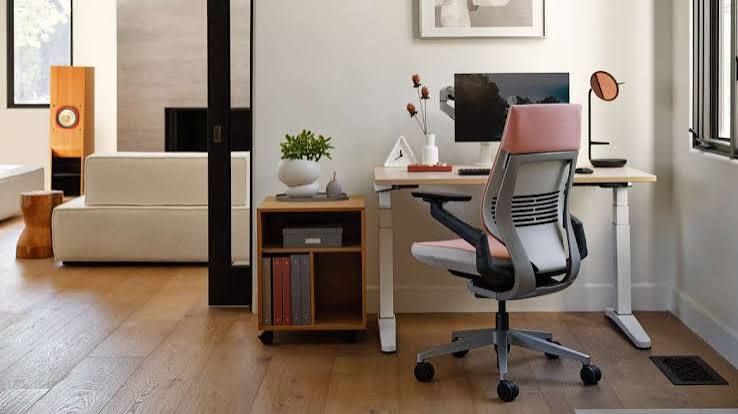
Despite identical specs, the chairs pursue different design goals. The Gesture's signature feature is its 360-degree arms engineered to follow multi-device work patterns—from keyboard typing to tablet reading. Its core interface mimics the spine for what Steelcase calls "multi-posture work." The ID Trim takes a more traditional ergonomic approach with contemporary minimalist aesthetics and lighter visual weight.
The review score gap (3.8 vs 3.1) reflects marginally better initial user satisfaction with the Gesture, though both chairs suffer documented durability problems. The Gesture costs $199 more but offers no additional warranty coverage or capacity. Build quality appears inconsistent on both: the ID Trim shows mechanical failures in tension controls and adjustment levers, while the Gesture exhibits systemic breakdown after three years across multiple units.
Aesthetically, they diverge. The ID Trim's compact padding and classic lines suit minimalist offices, while reviewers describe the Gesture as looking "cheap and budget-like" despite premium pricing. The Gesture's narrow backrest provides more shoulder freedom, beneficial for users who need unrestricted upper-body movement.
Who should buy which
Choose the Vitra ID Trim if: You prioritize contemporary minimalist design and classic aesthetics in your workspace. Your work is primarily traditional desk-based (keyboard and monitor), and you value the lighter visual profile. You're willing to accept reported issues with adjustment force and potential forward-tilt problems on certain variants. The $199 savings matters to you.
Choose the Steelcase Gesture if: You regularly shift between devices—laptop, tablet, phone—and need armrests that adapt to different postures. You prefer a narrower backrest that allows shoulder freedom. You value comprehensive adjustment options reviewed by ergonomics professionals. Initial comfort and multi-posture support outweigh concerns about three-year durability reports.
Consider alternatives if: Long-term durability is your top priority. Both chairs show troubling failure patterns in user reviews—the ID Trim with broken controls and the Gesture with systemic breakdown after three years. Neither justifies its premium price on build-quality evidence alone.
The verdict
This matchup offers no clear winner, only different compromises. The Steelcase Gesture earns its half-star rating advantage (3.8 vs 3.1) through superior initial ergonomic performance and smarter multi-device design, justifying the $199 premium if your work involves frequent posture shifts. The Vitra ID Trim delivers better aesthetics and costs less, but struggles with adjustment mechanisms and unwanted tilt on some models.
Neither chair inspires confidence in long-term durability. The Gesture's documented three-year failure rate across multiple units is particularly alarming at $1,499. The ID Trim's mechanical problems—broken levers, excessive adjustment force—suggest quality-control lapses unacceptable in a $1,300 chair backed by a 12-year warranty.
For multi-device knowledge workers who replace chairs every three to four years anyway, the Gesture's superior ergonomic range justifies the investment. For budget-conscious buyers seeking contemporary design for traditional desk work, the ID Trim saves $199—but temper expectations about adjustment quality. Both chairs would benefit from addressing the durability issues their premium prices should preclude.
Frequently asked
- Is the Steelcase Gesture more durable than the Vitra ID Trim?
- Neither chair shows strong long-term durability in reviews. The ID Trim has reports of broken tension controllers and levers, while multiple Gesture owners report all units breaking down after 3 years.
- Which chair is better for multi-device work?
- The Steelcase Gesture is specifically designed for multi-posture device use with 360-degree arms that follow movement from keyboard to tablet, while the ID Trim focuses on classic contemporary ergonomics.
- Why does the Steelcase Gesture cost $199 more?
- Both chairs share identical specs. The Gesture's higher price reflects its multi-device focus and 360-degree arm design, though it scored only marginally higher in reviews (3.8 vs 3.1 out of 5).
Specs, reviews & details
Specs, reviews & details