Wilkhahn AT vs Herman Miller Aeron: Which Should You Buy?
Two German-engineered task chairs with identical specs—but very different prices
Specs, reviews & details
Specs, reviews & details
Introduction
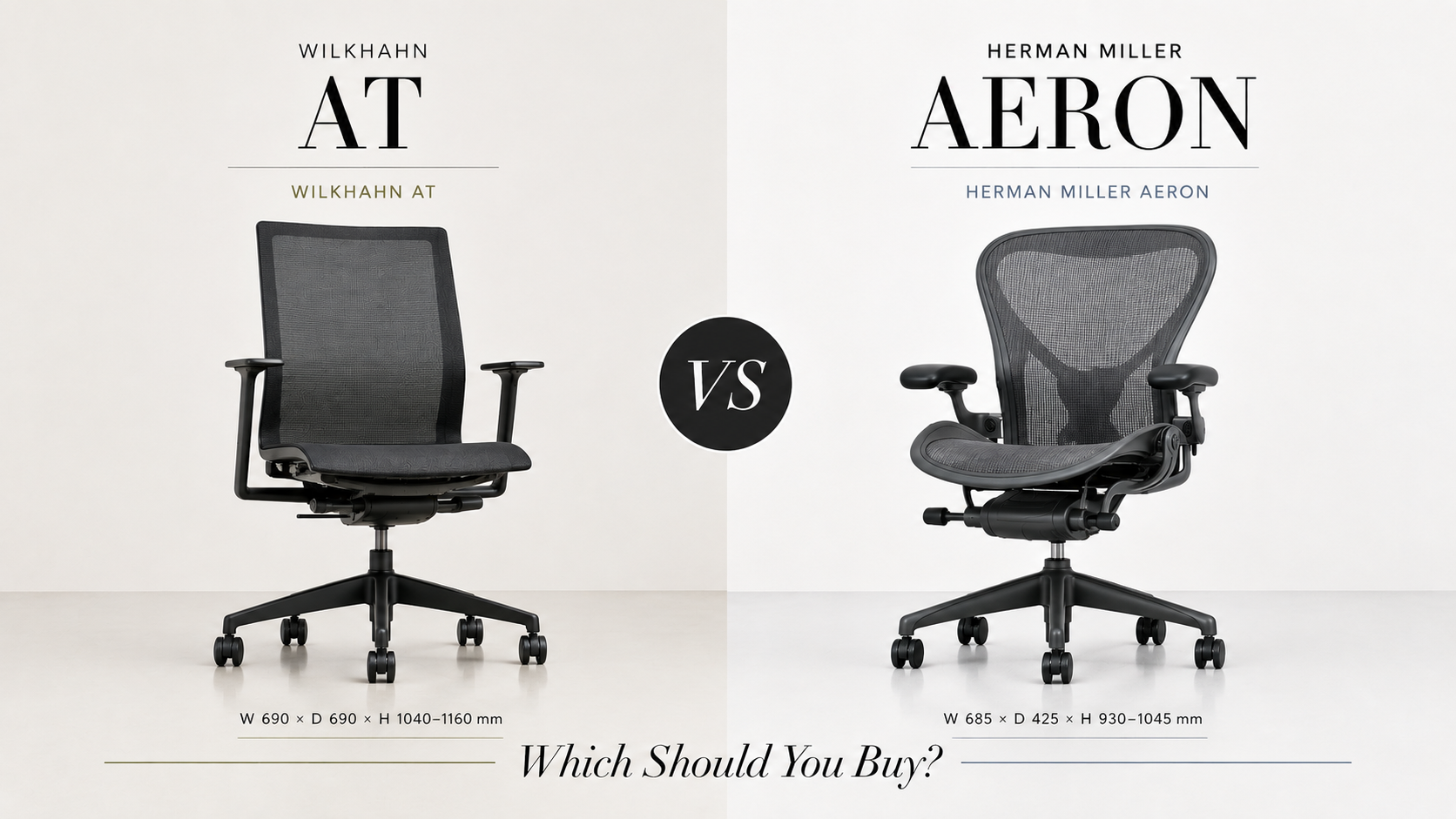
The Wilkhahn AT and Herman Miller Aeron represent two premium approaches to the same ergonomic problem: all-day task seating for medium-build users. On paper, they're nearly twins—identical seat dimensions, weight capacity, recline, warranty, and even chair weight. Yet the Wilkhahn costs $945 while the Aeron commands $1,521. The gap comes down to engineering philosophy: automatic adaptation versus manual fine-tuning, and a $576 question of whether the Aeron's iconic Pellicle mesh and resale value justify the premium.
At a glance
Spec | Wilkhahn AT | Herman Miller Aeron |
|---|---|---|
Price | $945 | $1,521 |
Category | Office task chair | Office task chair |
Seat dimensions | 51 cm wide × 43 cm deep | 51 cm wide × 43 cm deep |
Armrests | 4D adjustable | 4D adjustable |
Lumbar support | Yes | Yes (PostureFit SL) |
Headrest | No | No |
Recline range | 125° | 125° |
Weight capacity | 159 kg | 159 kg |
Recommended height | 165–195 cm | 165–180 cm |
Warranty | 12 years | 12 years |
Aggregate rating | 4.0 (1 review) | 3.5 (12 reviews) |
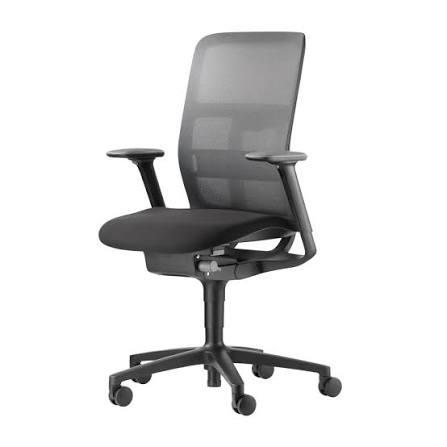
Wilkhahn AT—strengths & weaknesses
Strengths: The AT's signature feature is its automatic weight adjustment and self-centering suspension, which maintains your center of gravity in any posture without manual fiddling. Reviewers highlight its simplicity: adjust seat height once, and the Free-2-move mechanism adapts to your body automatically. The technology is well-explained, and the chair promotes a healthy range of motion with clean aluminum details. Customizable models expand configuration options.
Weaknesses: With only one review in the dataset, long-term durability feedback is limited. The single noted flaw was a minor typo in promotional video material—hardly a functional concern, but it reflects the thin review pool.
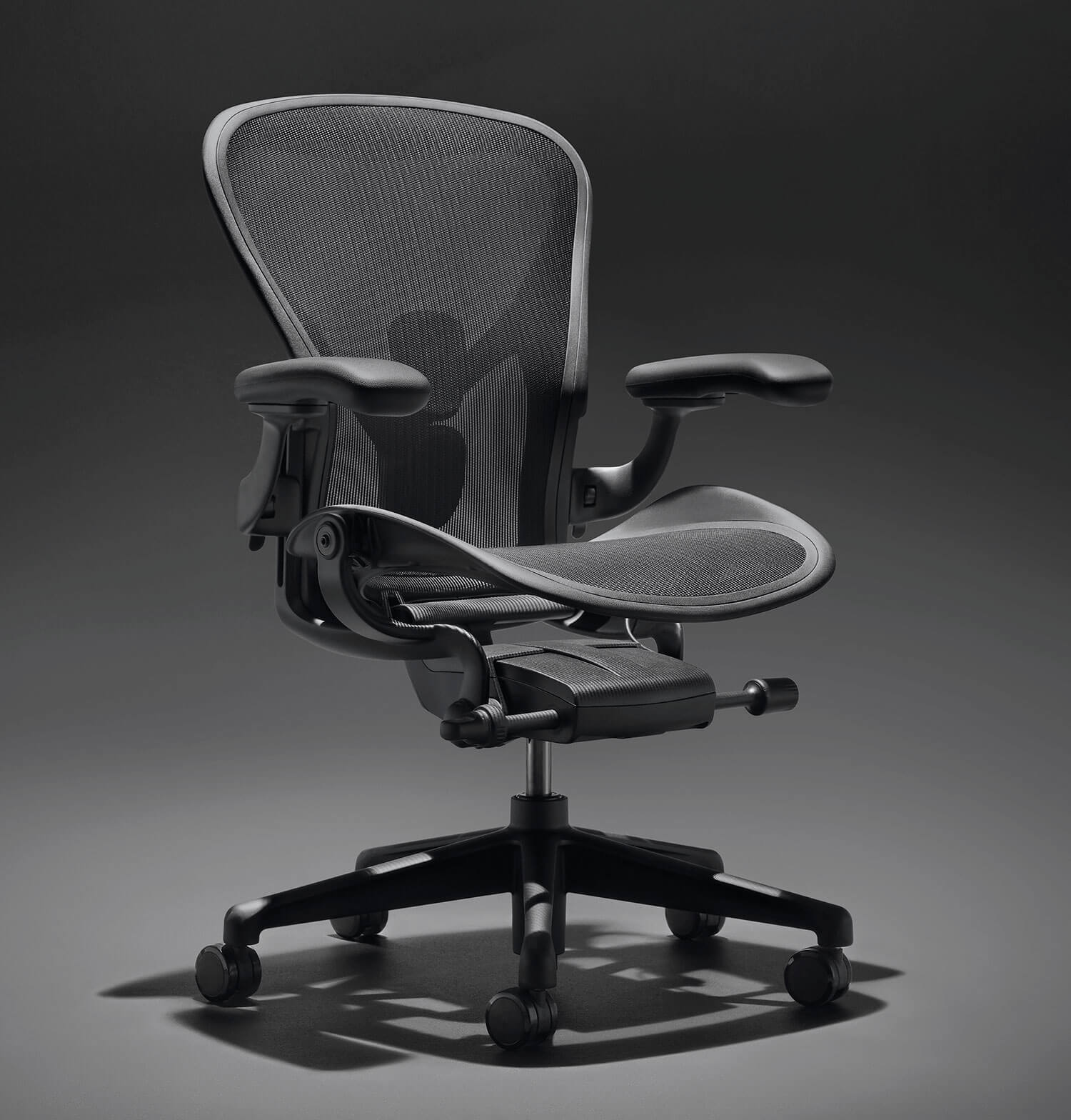
Herman Miller Aeron—strengths & weaknesses
Strengths: The Aeron's Pellicle mesh and 8Z zoning deliver exceptional ventilation, and one reviewer likened the experience to "sitting on a cloud." Its standout advantage is resale value: buyers report purchasing used models for $300–400 and reselling them years later at the same price, making total cost of ownership competitive with budget chairs. Official parts documentation and availability support long-term ownership. Comments indicate it works well for users with back, hip, and knee issues.
Weaknesses: Twelve reviews reveal a divided user base. One long-term reviewer struggled to fully embrace it as a daily driver after three years, noting the seat pan can dig uncomfortably. The Aeron is "not suitable for everyone," and its $1,521 price is a common complaint. Some review content was promotional or technical (replacement guides), not genuine user feedback, which dilutes the ratings pool.
How they differ
Price and value proposition: The Wilkhahn AT costs 38% less than the Aeron. The Aeron offsets this through documented resale value, but only if you're willing to buy and sell on the secondary market.
Adjustment philosophy: The Wilkhahn automates tension and weight response; the Aeron requires manual configuration of PostureFit SL and tension settings. If you want set-and-forget simplicity, the AT wins. If you prefer granular control, the Aeron obliges.
Height accommodation: The Wilkhahn accommodates users up to 195 cm; the Aeron (size B, based on the 51 cm seat width) tops out at 180 cm. Taller users should choose the AT or step up to an Aeron size C.
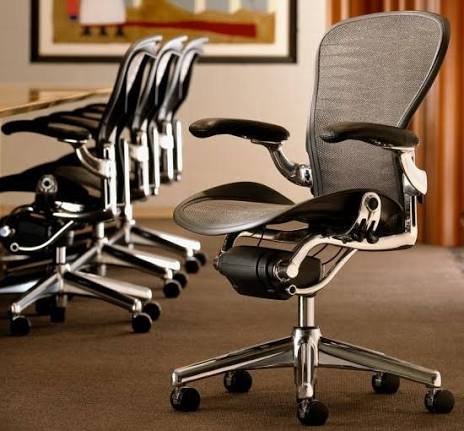
Mesh vs. suspension: The Aeron's iconic 8Z Pellicle mesh prioritizes breathability; the Wilkhahn's self-centering suspension prioritizes dynamic motion. Both deliver lumbar support, but through different mechanisms.
Track record: The Aeron has 12 reviews (albeit mixed) and decades of market presence; the AT has one positive review and less brand recognition outside Europe.
Who should buy which
Buy the Wilkhahn AT if: You're 180–195 cm tall and need a chair that fits. You value simplicity and want automatic adaptation without tweaking settings. You prefer a lower upfront cost and appreciate clean, understated design. You're willing to take a small risk on a less-reviewed model that delivers the same warranty as the Aeron.
Buy the Herman Miller Aeron if: You prize exceptional ventilation and work in warm environments. You plan to buy used and resell later, leveraging its strong secondary market. You prefer manual control over lumbar and tension settings. You're under 180 cm and the seat pan doesn't bother you during extended trials. You want the reassurance of a chair with a 25-year track record and extensive parts availability.
The verdict
The Wilkhahn AT and Herman Miller Aeron tie on specs but diverge on philosophy and price. The AT is the smarter buy for budget-conscious buyers who want premium ergonomics without the icon tax, especially taller users shut out of the Aeron size B. The Aeron justifies its $576 premium only if you exploit its resale value, require best-in-class ventilation, or already know from a showroom trial that its seat pan agrees with your body. For most buyers, the Wilkhahn AT delivers equivalent function at a better price—but if you can buy a used Aeron for $300–400, that flips the value equation entirely.
Frequently asked
- Is the Wilkhahn AT easier to adjust than the Herman Miller Aeron?
- Yes. The Wilkhahn AT features automatic weight adjustment—you only need to set seat height and it adapts to your movements. The Aeron requires manual configuration of its PostureFit SL lumbar system.
- Does the Herman Miller Aeron hold resale value better?
- Review data confirms the Aeron has excellent resale value, with buyers reporting they can sell used models for the same price after 5 years. No resale data is provided for the Wilkhahn AT.
- Which chair is better for taller users?
- The Wilkhahn AT accommodates users up to 195 cm tall, while the Aeron (size B) is recommended only up to 180 cm, making the AT the better choice for taller individuals.
Specs, reviews & details
Specs, reviews & details